Beef and Noodles
Beef and Noodles With Tender Chuck Roast and a Rich Gravy
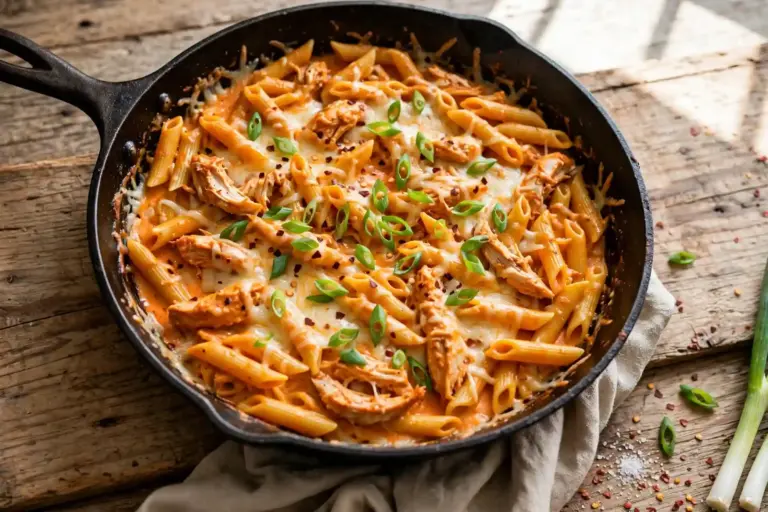
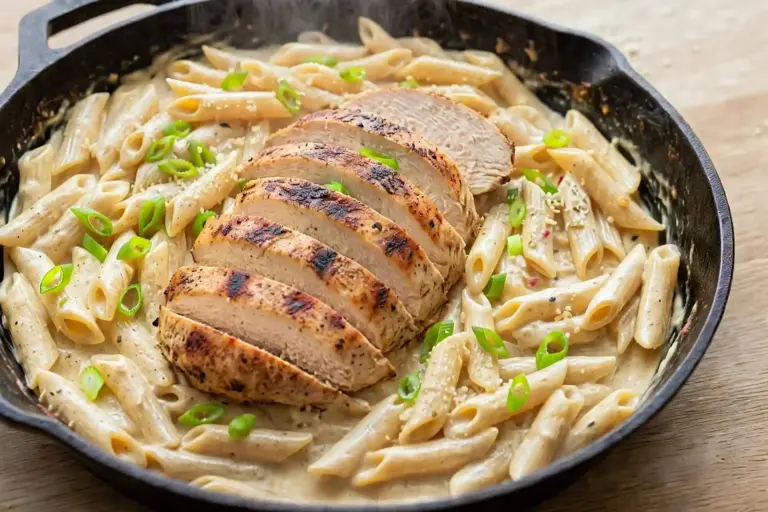
Beef and noodles is braised chuck roast shredded into a thick, savory gravy and spooned over egg noodles, the kind of dish built for a Sunday when there’s time to let a tough cut of meat turn tender. The chuck simmers low and slow until it falls apart with a fork, and the braising liquid thickens into a gravy that coats every strand of noodle underneath it.
The common mistake with this dish is pulling the beef too early, before the connective tissue has had time to break down, which leaves it chewy instead of fork tender. The other is a gravy that never thickens properly because the flour never gets cooked into the fat before the liquid goes in. This version solves both: the chuck gets a full two hour braise, and the gravy builds from a proper roux before the broth and beef drippings join it.
The recipe serves six, takes about 2 hours and 15 minutes mostly hands off, and turns one of the cheapest cuts of beef into a dinner that tastes like it took all day.
Why This Beef and Noodles Recipe Turns Out Fork Tender
- A full two hour braise gives the chuck roast’s collagen enough time to break down into gelatin, which is what makes the meat shred apart instead of staying tough.
- Searing the beef hard before it ever touches liquid builds a browned crust that dissolves into the braising liquid, the same fond that gives a good pot roast its depth.
- A roux cooked directly in the beef drippings thickens the gravy from the inside, rather than relying on cornstarch stirred in at the end.
- Egg noodles cook separately from the beef and get tossed in just before serving, so they stay tender instead of turning mushy from hours in the pot.
- The braising liquid reduces slowly over the two hours, concentrating the flavor without needing to add anything beyond broth, onion, and garlic.
- One Dutch oven handles the entire beef and gravy portion, leaving only a pot of noodle water as the second dish to manage.
Quick Recipe Snapshot
- Prep time: 15 minutes
- Cook time: 2 hours
- Rest time: 10 minutes
- Total time: 135 minutes
- Servings: 6
- Difficulty: Moderate
- Calories: About 480 per serving
- Most important tool: A heavy Dutch oven
- Best for: Sunday dinners, cold weather meals, make ahead freezer dinners
Ingredients
The Beef
Chuck roast carries enough connective tissue and marbling to turn tender over a long braise, which is exactly why a leaner cut like sirloin would turn dry and stringy under the same cooking time.
- 2½ pounds beef chuck roast, cut into 2 inch chunks
- 1 teaspoon fine salt
- ½ teaspoon black pepper
- 2 tablespoons neutral oil
- 1 medium yellow onion, diced
- 3 garlic cloves, minced
The Gravy
Cooking the flour directly in the fat left behind from searing the beef is what builds the gravy’s base flavor before any broth ever goes in.
- 3 tablespoons all purpose flour
- 4 cups beef broth
- 1 tablespoon Worcestershire sauce
- 1 teaspoon dried thyme
- 2 bay leaves
- Salt and black pepper to taste
The Noodles
- 12 ounces wide egg noodles
- 2 tablespoons chopped fresh parsley
Substitutions that hold up: A beef bottom round roast can replace the chuck, though it needs an extra 20 to 30 minutes of braising to reach the same tenderness, since it carries less marbling. Chicken broth can stand in for beef broth in a pinch, though the gravy will taste noticeably lighter. Egg noodles hold up best here, but wide pasta shapes like pappardelle work as a substitute.
Recipe Timing
- Prep: 15 minutes
- Cook: 2 hours
- Rest: 10 minutes
- Total: 135 minutes
- Servings: 6
- Difficulty: Moderate
- Cuisine: American
- Course: Dinner
Looking for another rich, beefy dinner with a similar comforting gravy? Beef stroganoff uses a faster cut and a creamier sauce for a quicker weeknight version of the same craving.
Allergen and Dietary Disclosure
This dish contains egg (noodles) and wheat/gluten (flour, noodles). Worcestershire sauce sometimes contains fish or soy, so check the label if either is a concern.
- Egg: A certified egg free pasta shape can replace the egg noodles, though the texture will differ slightly.
- Gluten: Replace the flour with the same amount of cornstarch mixed into a slurry with cold broth before stirring it in, and use a gluten free noodle in place of the egg noodles.
Equipment Needed
- Heavy Dutch oven. Thick walls hold steady, even heat through a long braise without scorching the bottom.
- Tongs. Makes turning the beef chunks during searing far easier than trying to flip them with a spoon.
- Instant read thermometer. Confirms the beef has passed a basic safety threshold early on, though the real doneness cue here is tenderness, not temperature.
- Large pot for boiling noodles. Needs enough room for the wide egg noodles to move freely without sticking together.
Nutrition Information
Per serving (about 1½ cups, 6 servings per recipe):
- Calories: 480
- Protein: 34 g
- Carbohydrates: 38 g
- Fat: 20 g
- Fiber: 2 g
- Sugar: 2 g
- Sodium: 780 mg
Chuck roast carries more marbled fat than a leaner cut like sirloin, which is part of what makes it braise into such a tender result, though it also pushes the fat content higher per serving. These figures are estimates built from USDA FoodData Central data and shift with the exact fat content of the chuck roast used.
How a Long Braise Turns Tough Chuck Roast Tender
Chuck roast comes from a well exercised part of the cow, which means it carries a dense network of connective tissue called collagen running through the muscle. Collagen is what makes a cut like chuck chewy and tough if it’s cooked quickly, the same way a fast sear would leave it, but that same collagen slowly converts into gelatin when exposed to a sustained, moist heat over a couple of hours. That gelatin is what gives the braising liquid its silky body and what lets the meat pull apart in soft shreds instead of fighting back against a fork.
A quick sear before the braise begins matters for flavor, not tenderness. The Maillard reaction that browns the beef’s exterior creates hundreds of new flavor compounds that a low, slow braise alone wouldn’t develop, and those compounds dissolve into the liquid the moment broth hits the hot pan, the same reason deglazing a pan after searing a steak captures flavor that would otherwise stay stuck to the bottom.
The gravy’s thickness comes from the same roux principle found in a classic bechamel: flour cooked in fat first coats each starch granule, which disperses it evenly into the broth rather than letting it clump the way raw flour would if dumped straight into hot liquid.
What is beef and noodles? Beef and noodles is a braised dish of chuck roast slow cooked until fork tender, shredded, and served in its own thickened gravy over wide egg noodles, a classic Midwestern comfort food built for a slow Sunday.
Preparation
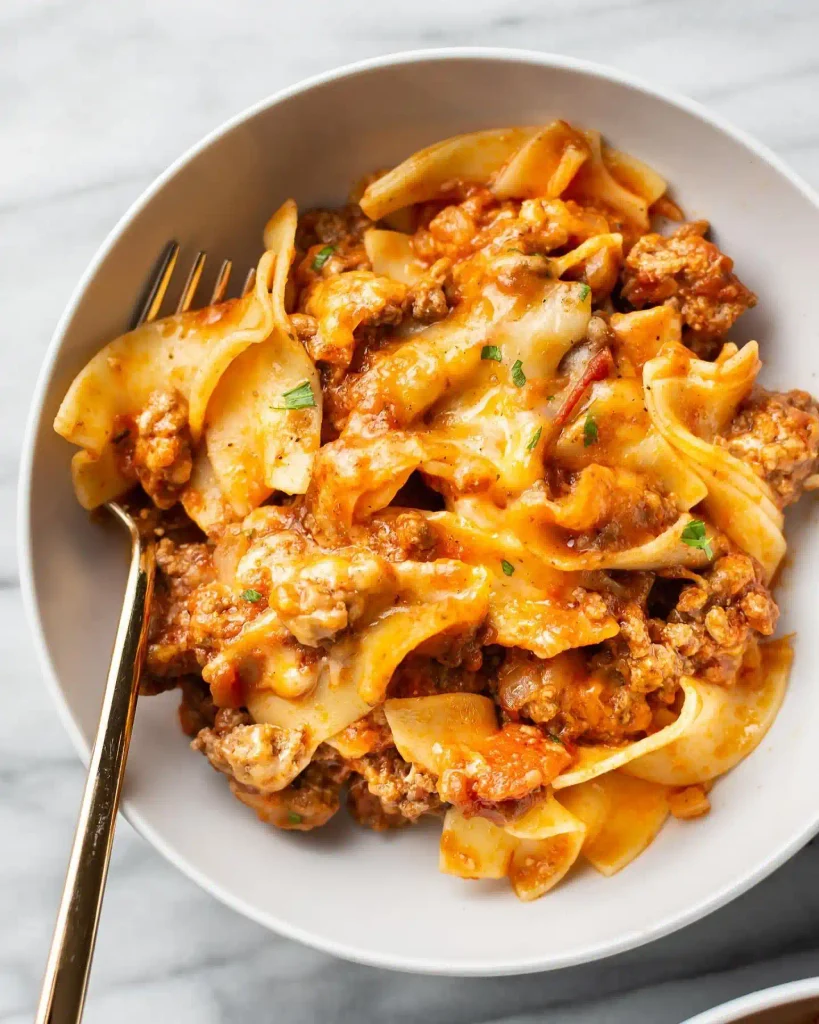
Cut the chuck roast into roughly 2 inch chunks, trimming away any very large pieces of hard fat, and pat the meat dry with a paper towel before seasoning. A dry surface sears far better than a wet one. Dice the onion and mince the garlic. Measure the broth and have the flour ready, since the gravy building steps move quickly once the beef comes out of the pot.
Step by Step Method
Season the beef chunks generously with salt and pepper. Heat the oil in the Dutch oven over medium high heat until it shimmers.
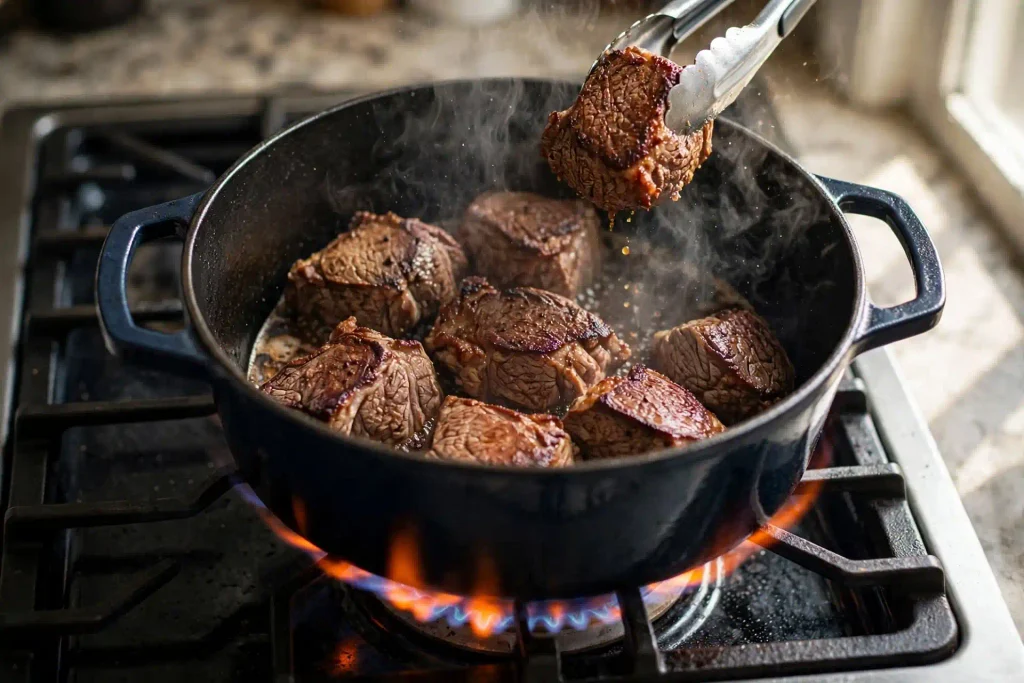
Working in batches so the pan isn’t crowded, sear the beef on all sides until deeply browned, about 3 minutes per side. A crowded pan steams the meat instead of browning it, so don’t rush this by adding too much at once.
Chef’s Note: Browning in batches takes a few extra minutes, but a pan packed too full traps steam and leaves the beef gray instead of crusted. The extra time pays off in flavor later.
Transfer the seared beef to a plate and set aside. Add the onion to the same pot and cook for 4 minutes, until it turns translucent, scraping up any browned bits stuck to the bottom as it softens.
Stir in the garlic and cook for 30 seconds, until fragrant.
Sprinkle the flour over the onion and garlic, stirring constantly for about 90 seconds, until it turns a light golden color and smells toasted rather than raw.
Chef’s Note: This step is easy to rush, but an undercooked roux leaves the finished gravy tasting chalky no matter how long the braise continues.
Pour in the broth gradually, whisking to work out any lumps. Stir in the Worcestershire sauce, thyme, and bay leaves.
Return the seared beef and any accumulated juices to the pot. Bring to a simmer, then cover and reduce the heat to low, maintaining a gentle simmer rather than a rolling boil for the full braise.
Braise for 2 hours, stirring occasionally, until the beef shreds apart easily with a fork and the gravy has thickened and reduced slightly.
Chef’s Note: Checking too early is the most common reason this dish disappoints. Chuck roast needs the full two hours for the collagen to fully break down, and pulling it early leaves the meat chewy.
Remove the bay leaves and shred the beef directly in the pot using two forks, stirring it back into the gravy.
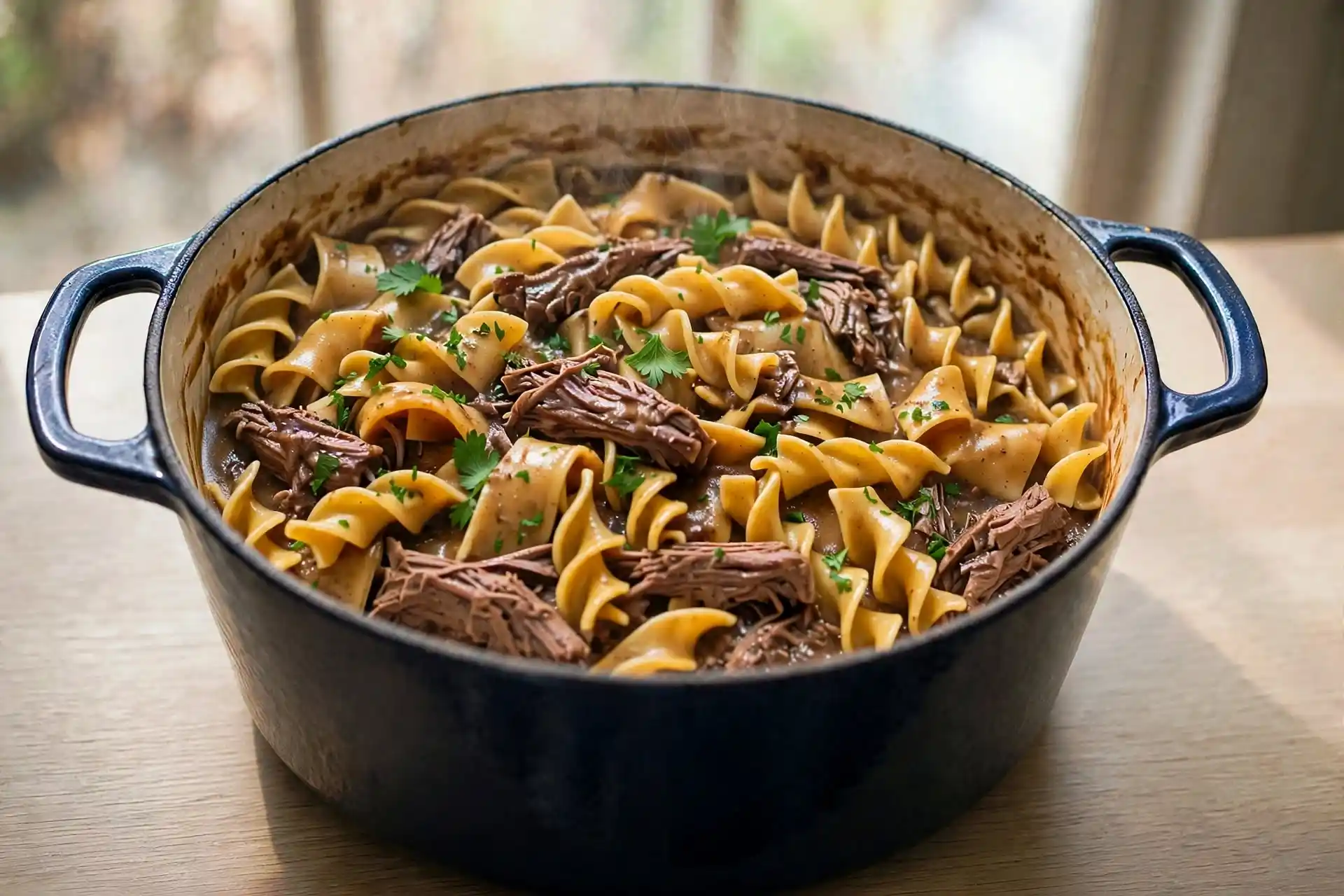
While the beef finishes its final minutes, cook the egg noodles in a separate pot of salted boiling water according to package directions, until just tender. Drain and toss them into the beef and gravy, or serve the gravy spooned over individual portions of noodles. Let the dish rest for 10 minutes before serving, then top with parsley.
Callout: Taste the gravy before adding any extra salt once the braise finishes. Worcestershire sauce, broth, and the reduced braising liquid all carry sodium, and this dish rarely needs more than what’s already built in.
Expert Tips and Tricks
- Make ahead: The beef and gravy actually taste better the next day, once the flavors have had time to settle. Braise it up to 2 days ahead, refrigerate, and reheat gently on the stovetop, cooking the noodles fresh right before serving.
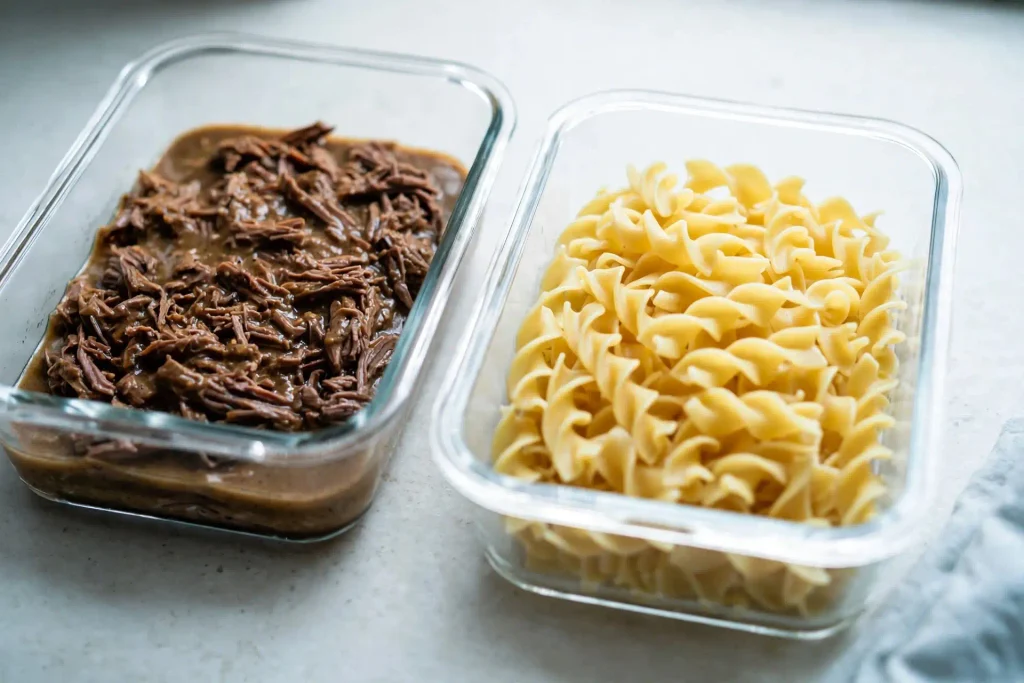
- Storage: Store the beef and gravy separately from the noodles when possible, since noodles left sitting in gravy for several days absorb liquid and turn soft.
- Don’t skip the sear: Browning the beef hard before braising builds flavor that a long simmer alone can’t replicate.
- Cook the roux fully: A full 90 seconds removes the raw, starchy taste that undercooked flour leaves behind.
- Trust the full braise time: Two hours isn’t negotiable with chuck roast. Checking a fork at 90 minutes and finding resistance means the meat simply needs more time, not a different approach.
- Reduce the gravy further if it’s thin: Simmer uncovered for the last 15 minutes of braising if the liquid looks too loose once the beef is tender.
- Cook noodles separately: Keeping them out of the pot until just before serving is what keeps the final texture tender instead of mushy.
For another slow braised dinner that turns a humble cut of meat into something tender and rich, shepherd’s pie takes a similar low and slow approach with a mashed potato topping instead of noodles.
Common Mistakes and Troubleshooting
The beef stayed tough even after a long cook. It likely didn’t braise long enough for the collagen to fully break down. Give it the full two hours, and check again in 15 minute increments if it’s still resisting a fork at that point, since some cuts need slightly longer.
The gravy turned out thin. The roux probably didn’t cook long enough, or the liquid needed more time to reduce. Simmer uncovered during the final 15 minutes if the gravy still looks loose once the beef is tender.
The gravy tasted chalky or raw. The flour wasn’t cooked long enough before the broth went in. Give the roux its full 90 seconds next time, watching for a light golden color and a toasted smell.
The noodles turned mushy. They likely sat in the hot gravy too long after cooking, especially in leftovers. Cook noodles separately and toss them with the gravy just before serving instead of storing them together.
The beef tasted bland despite the long braise. The initial sear was likely rushed or the pot was too crowded, which limited the browning that builds much of this dish’s flavor. Sear in batches next time, giving each piece room to develop real color.
Honest Trade-Off
This dish takes a genuine two hours of braising time, which rules it out as a true weeknight option for anyone without a free afternoon. Anyone who wants a faster version of the same craving should look for a recipe built around a quicker cooking cut like sirloin or stew meat simmered for less time, accepting a slightly less tender result. This recipe suits a weekend when the oven or stovetop can run mostly unattended for a couple of hours while the rest of the day carries on.
Storage and Make Ahead
Refrigerator: Store the beef and gravy in an airtight container for up to 4 days, ideally kept separate from the noodles.
Reheating: Warm gently over low heat on the stovetop, adding a splash of broth to loosen the gravy back to its original consistency. Microwaving works for single portions in short bursts with stirring between each.
Freezer: The beef and gravy freeze well for up to 3 months, without the noodles included. Thaw overnight in the fridge and reheat gently, cooking fresh noodles when ready to serve.
Variations and Substitutions
- Mushroom beef and noodles: Sauté 8 ounces of sliced mushrooms along with the onion for an earthier, deeper gravy.
- Slow cooker version: Sear the beef and build the gravy base on the stovetop, then transfer everything to a slow cooker and cook on low for 7 to 8 hours instead of braising on the stove.
- Extra vegetables: Stir in a cup of diced carrots along with the onion for more texture and a slightly sweeter gravy.
- Lighter version: Skip searing in oil and use a nonstick pot with a light spray instead, though the final flavor will be somewhat less deep.
- Rice instead of noodles: Serve the beef and gravy over steamed rice for a different base entirely, using the same gravy quantities.
Serving Suggestions
Beef and noodles is hearty enough to serve with nothing more than a simple green vegetable, like steamed green beans or roasted Brussels sprouts, on the side. A slice of crusty bread works well for anyone who wants to mop up the last of the gravy from the plate. For a different baked comfort food to add to the same week’s rotation, tuna noodle casserole offers a lighter, creamier noodle dish worth keeping in the mix.
Callout: Let the finished dish rest the full 10 minutes before serving, even though it smells ready sooner. The gravy thickens slightly further as it rests, and the noodles have a moment to soak up a little more flavor before hitting the plate.
Frequently Asked Questions
Can I make beef and noodles ahead of time?
Yes, and the beef and gravy actually improve with a day of rest in the fridge, since the flavors settle further overnight. Braise the beef up to 2 days ahead, store it separately from the noodles, and cook the noodles fresh right before serving so they don’t turn mushy from sitting in the gravy.
Why is my beef still tough after cooking for a while?
It most likely needs more time. Chuck roast requires a full two hours of low, steady braising for the collagen to break down into gelatin, and pulling it early leaves that connective tissue intact and chewy. Keep checking in 15 minute increments past the two hour mark if it’s still resisting a fork.
Can I make this in a slow cooker instead?
Yes. Sear the beef and build the gravy base on the stovetop first, since that step still matters for flavor, then transfer everything to a slow cooker and cook on low for 7 to 8 hours. Shred the beef directly in the slow cooker once it’s tender, the same as you would in a Dutch oven.
How do I know when the beef is done?
The clearest sign is texture, not temperature: a fork inserted into a chunk of beef should meet no resistance and the meat should pull apart easily into shreds. This usually happens right around the two hour mark, though some chuck roasts may need an extra 15 to 20 minutes depending on their exact marbling.
Is beef and noodles safe for someone with an egg or gluten allergy?
The standard recipe contains egg in the noodles and gluten in both the flour used for the gravy and the noodles themselves. A certified egg free pasta handles the egg concern, and a cornstarch slurry in place of the flour along with a gluten free noodle handles the gluten, though both substitutions change the texture somewhat from the traditional version.
Conclusion
Patience is the real ingredient in this dish, more than any specific seasoning. Give the chuck roast its full two hours, resist the urge to check for tenderness before the 90 minute mark, and the beef rewards that wait by falling apart at the first touch of a fork. Keep the noodles separate until the very end, since that’s the detail most likely to decide whether leftovers taste as good as the first night.
Beef and Noodles
Ingredients
Method
- Season the beef and sear in batches until deeply browned on all sides.
- Cook the onion 4 minutes, then the garlic 30 seconds.
- Stir in the flour and cook 90 seconds.
- Whisk in the broth, Worcestershire sauce, thyme, and bay leaves.
- Return the beef to the pot, bring to a simmer, then cover and reduce heat to low.
- Braise 2 hours until the beef shreds easily with a fork.
- Remove bay leaves and shred the beef in the pot.
- Cook the noodles separately until just tender.
- Toss the noodles with the beef and gravy, or serve gravy over individual portions.
- Rest 10 minutes and top with parsley before serving.