Cajun Chicken Pasta
Cajun Chicken Pasta With Sauce That Actually Clings to the Noodles
Most cajun chicken pasta recipes end up either bland because the seasoning got diluted in a watery sauce, or so heavy on cayenne that the cream can’t balance it. The actual fix is building heat in layers, seasoning the chicken itself, then the sauce base, then adjusting at the end, rather than dumping all the cajun seasoning in at once. This version also reduces the cream properly before the pasta goes in, so the sauce grips the noodles instead of sliding off into a puddle.
Why This Cajun Chicken Pasta Doesn’t Fall Flat
Seasoning the chicken separately from the sauce means you build two distinct layers of flavor instead of relying on one pot of spice to carry everything.
The cream sauce reduces for a full 5 minutes before the pasta goes in, thickening it enough that it coats each strand rather than collecting at the bottom of the bowl.
Fire-roasted diced tomatoes add a smoky depth that plain canned tomatoes don’t, working with the cajun seasoning instead of just adding acidity on top of it.
Reserved pasta water gets used to loosen the sauce at the very end, a step that lets you control thickness precisely instead of guessing with more cream.
Blackening the chicken in a hot, dry pan before it touches any sauce gives you a crust that holds up even after simmering, unlike chicken added raw directly into the sauce.
Quick Information
Prep time: 15 minutes. Cook time: 30 minutes. Total time: 45 minutes. Servings: 4. Difficulty: Easy. Calories: about 650 per serving. The one thing that matters most here is getting a real sear on the chicken before it goes anywhere near the sauce, since that crust is what holds the cajun flavor through the simmer. Good for a weeknight dinner that still feels like a restaurant plate.
Ingredients
For the chicken:
- 1.5 lbs boneless, skinless chicken breasts, sliced into thin cutlets
- 2 tablespoons cajun seasoning, divided
- 1 tablespoon olive oil
Slicing the breasts into thin cutlets rather than cooking them whole means they sear fast enough to develop a real crust before the inside overcooks, which thick, uneven pieces won’t do in the same amount of time.
For the sauce:
- 2 tablespoons butter
- 1 small onion, diced
- 1 red bell pepper, diced
- 3 cloves garlic, minced
- 1 can (14.5 oz) fire-roasted diced tomatoes
- 1 1/2 cups heavy cream
- 1 cup chicken broth
- 1/2 cup grated Parmesan
- 12 oz penne or fettuccine
- 2 green onions, sliced, for topping
Fire-roasted tomatoes carry a charred edge that plain diced tomatoes don’t, and that smokiness plays directly into the same flavor register as the cajun seasoning rather than fighting against it.
You may also like: tuna noodle casserole
Recipe Timing
Prep: 15 minutes. Cook: 30 minutes. Rest: 5 minutes. Total: 50 minutes. Servings: 4. Difficulty: Easy. Cuisine: Cajun-Italian fusion. Course: Main dish.
Allergen and Dietary Disclosure
This recipe contains dairy (butter, cream, Parmesan) and gluten (pasta). For a dairy-free version, full-fat coconut milk works in place of the heavy cream, though it shifts the flavor slightly sweeter and you’ll want to skip the Parmesan or use a dairy-free alternative. For gluten-free, swap in gluten-free penne, cooked exactly the same way, and double-check the cajun seasoning blend since some commercial mixes include anti-caking agents with gluten.
Equipment Needed
A large, heavy skillet that holds consistent heat is what actually gets a proper sear on the chicken, a thin pan scorches the seasoning before the inside cooks through. A separate pot for the pasta. Tongs for flipping the chicken without tearing the crust. A box grater for the Parmesan, pre-shredded cheese melts less smoothly into the reduced cream.
Nutrition Information
Calories: 650 per serving. Protein: 42g. Carbs: 48g. Fat: 32g. Fiber: 3g. Sugar: 6g. Sodium: 980mg. Serving size: about 1.5 cups. Servings per recipe: 4. This dish runs higher in sodium mostly from the cajun seasoning and Parmesan combined, so a salt-free seasoning blend with cajun spices added separately cuts that down meaningfully. These figures are estimates based on standard USDA nutrition data, not a substitute for a nutrition label or lab analysis.
Why the Sauce Actually Sticks to the Pasta (And Most Versions Don’t)
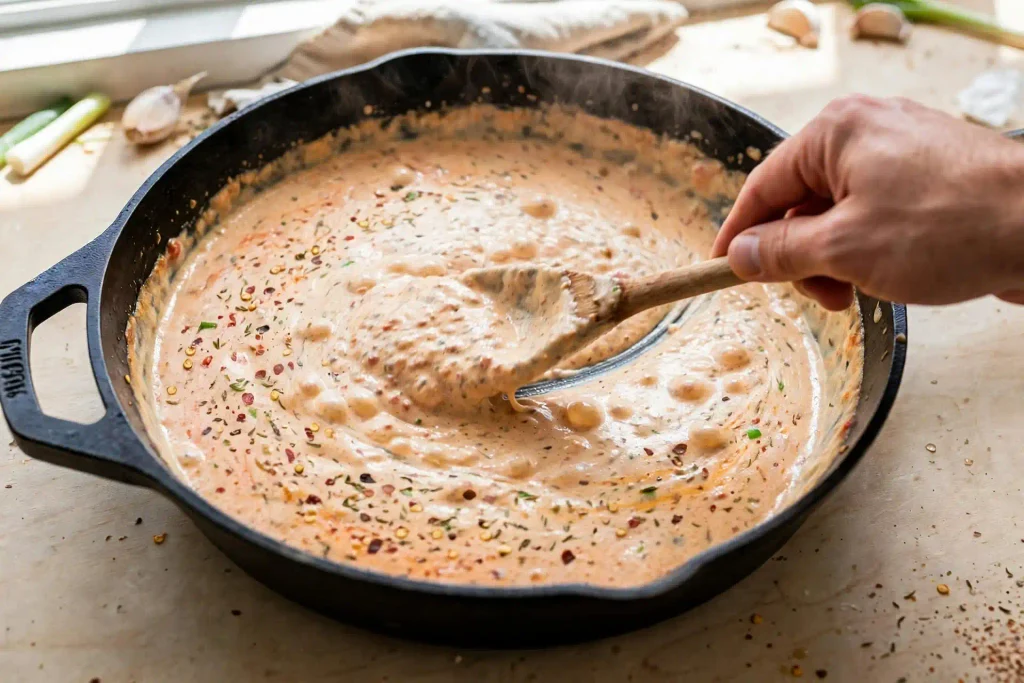
A sauce that’s still thin when the pasta goes in just slides off every noodle instead of clinging to it, since there’s nothing concentrated enough in the liquid to grip the pasta’s surface. Letting the cream and tomato mixture simmer uncovered for a full 5 minutes before the noodles join reduces the water content enough that the remaining fat and solids coat each strand on contact. That’s the same basic principle behind any good pasta sauce, reduce first, combine second, and skipping it is the single biggest reason cajun chicken pasta ends up watery.
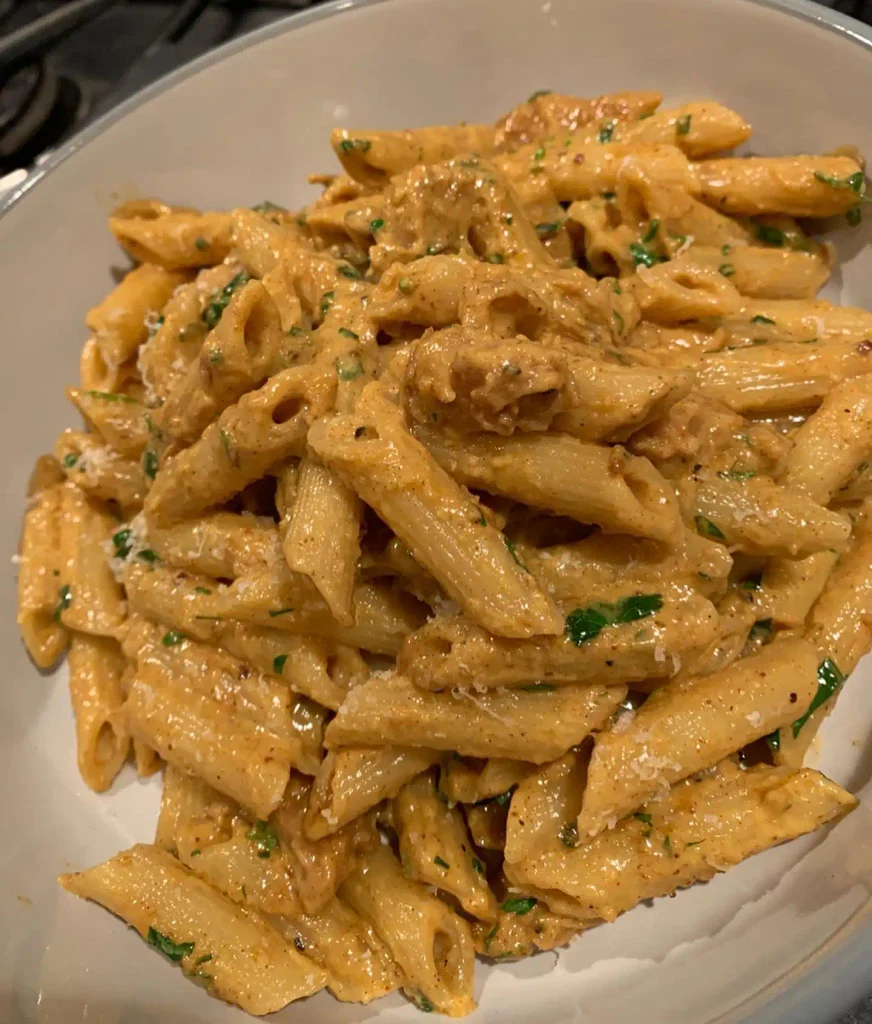
Reserved pasta water gives you a second lever to pull once everything’s combined, since a sauce that looks slightly too thick in the pan often loosens to the right consistency with just a few tablespoons stirred in off the heat.
Preparation
Slice the chicken breasts into thin, even cutlets before seasoning, uneven thickness means some pieces finish cooking faster than others. Dice the onion and bell pepper. Mince the garlic. Bring a separate pot of salted water to a boil for the pasta, timed so it’s ready close to when the sauce finishes reducing.
Step-by-Step Method
- Pat the chicken cutlets dry, then coat them with half the cajun seasoning on both sides, pressing it into the surface so it adheres rather than sitting loose.
- Heat the olive oil in a large skillet over medium-high until it shimmers, then add the chicken in a single layer, not touching, so each piece gets direct contact with the hot surface.
- Sear for 4 minutes without moving the pieces, until a deep reddish-brown crust forms on the bottom and the edges start to look opaque rather than translucent. Because this is raw poultry, don’t cut into a piece to check doneness yet, that releases juices you want to keep.
- Flip and cook the second side for 3 to 4 more minutes, until the internal temperature reads 165°F at the thickest point. Transfer the chicken to a plate and tent loosely with foil to rest while the sauce comes together.
- In the same skillet, melt the butter over medium heat, scraping up the browned bits left from the chicken, since that’s where most of the built-up flavor is sitting.
- Add the onion and bell pepper, cooking for about 5 minutes until the onion turns soft and slightly golden at the edges rather than staying pale and raw-looking.
- Stir in the garlic for 30 seconds, just long enough to smell it turn fragrant, then pour in the fire-roasted tomatoes along with their juice.
- Add the chicken broth and the remaining cajun seasoning, stirring to combine, then bring the mixture to a gentle simmer before lowering the heat slightly.
- Pour in the heavy cream and let the sauce simmer uncovered for 5 minutes, stirring occasionally, until it thickens enough to coat the back of a spoon and hold a line when you drag a finger through it.
- While the sauce reduces, cook the pasta in the separate pot until just shy of al dente according to the package, reserving 1 cup of pasta water before draining.
- Stir the Parmesan into the sauce until fully melted, then add the drained pasta directly to the skillet, tossing until every piece is coated and finishing with a splash of reserved pasta water if the sauce looks too thick.
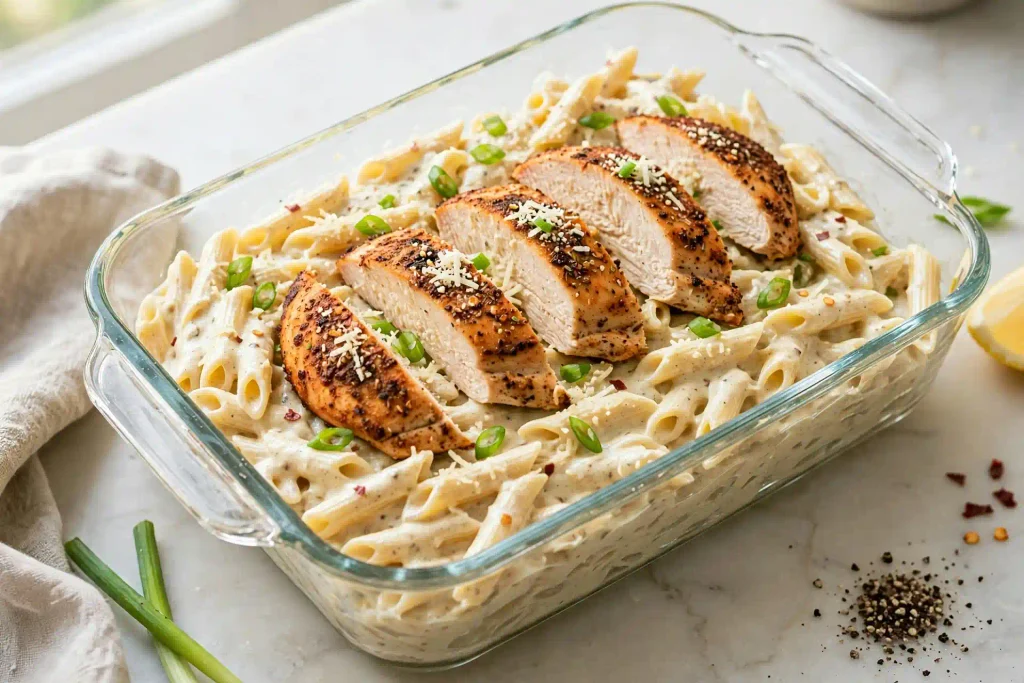
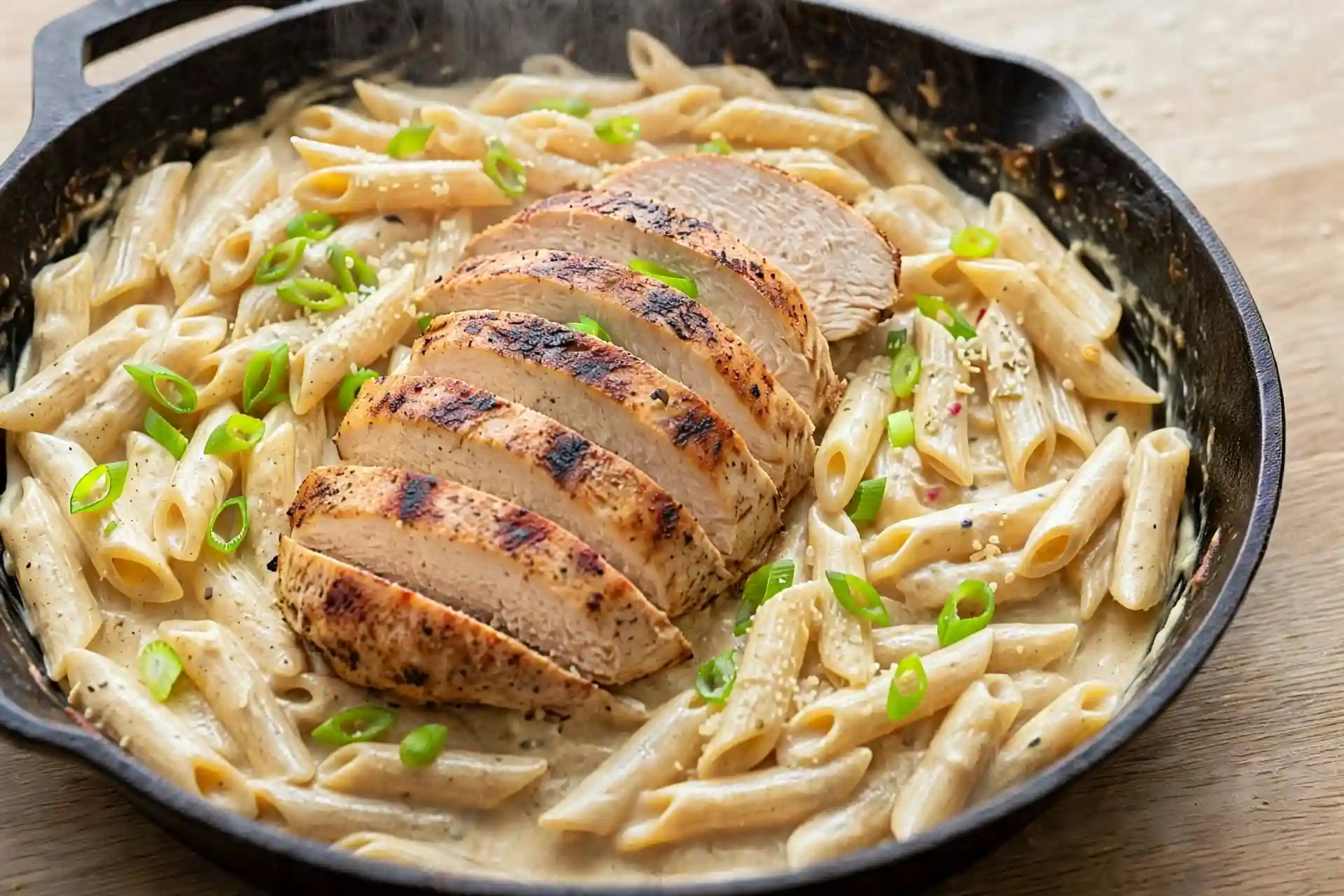
- Slice the rested chicken on a diagonal and arrange it over the pasta, scattering the green onions on top just before bringing the dish to the table.
Chef’s Note: If your chicken crust looks pale instead of deep red-brown, the pan likely wasn’t hot enough before the chicken went in. Give the oil a full 30 seconds of shimmering before adding anything.
Chef’s Note: Undercooking the pasta slightly before it joins the sauce matters here specifically because it keeps absorbing liquid for another minute or two once combined, finishing right at al dente instead of going soft.
Chef’s Note: The step most people skip is resting the chicken before slicing it. Cutting immediately lets the juices run out onto the cutting board instead of staying in the meat, leaving drier slices on the plate.
You may also like: swedish meatballs
Expert Tips & Tricks
You can sear and season the chicken up to a day ahead, storing it in the fridge, then slice and warm it through in the finished sauce right before serving.
Leftovers keep in an airtight container in the fridge for up to 3 days, though the pasta continues absorbing sauce overnight, so add a splash of broth or cream when reheating.
If you want more heat without adjusting the cajun seasoning amount, a few dashes of hot sauce stirred in at the end lets you dial it up without oversalting the whole dish.
Using andouille-style chicken sausage alongside the chicken breast, sliced and browned in the same pan first, adds another layer of smoky flavor if you want a heartier version.
A squeeze of lemon juice right before serving cuts through the richness of the cream, balancing the dish without needing to adjust the spice level at all.
Doubling the sauce portion works well if you’re serving more pasta than chicken, since leftover sauce reheats better on its own than leftover dry pasta does.
Common Mistakes & Troubleshooting
Sauce stays thin and doesn’t coat the pasta. This almost always means the cream mixture wasn’t given its full reduction time before the noodles went in. Let it simmer the full 5 minutes uncovered, checking for a spoon-coating thickness before adding pasta.
Chicken turns out dry despite searing it well. Usually caused by cutlets that were sliced too thick or cooked past 165°F. Slice evenly and pull the chicken the moment it hits temperature, letting the rest finish the job.
Dish tastes bland even with cajun seasoning added. This happens when all the seasoning goes into the sauce and none touches the chicken directly. Season the meat itself first, then build the second layer of flavor in the sauce.
Sauce breaks or looks grainy after the Parmesan goes in. Cheese added over heat that’s too high separates instead of melting smoothly. Lower the heat before stirring in the Parmesan, letting it melt gradually rather than dumping it in over a hard simmer.
Pasta turns mushy by the time it’s plated. This means it was fully cooked before joining the sauce. Pull it just shy of al dente, since it keeps cooking in the hot sauce for another minute or two.
Honest Trade-Off
Searing the chicken separately before building the sauce takes about 10 extra minutes compared to a one-pan version where raw chicken pieces simmer directly in the sauce the whole time. The one-pan method is faster and uses less cleanup, it just won’t give you the same crust or texture contrast on the chicken. Someone short on time on a weeknight might prefer dumping everything in one pot; someone who wants a restaurant-style sear on the chicken should take the extra step.
Storage & Make-Ahead
Refrigerate leftovers in an airtight container for up to 3 days. Reheat gently in a skillet over medium-low heat with a splash of cream or broth stirred in, since the sauce thickens considerably once cold.
Freezing isn’t recommended here, since cream-based sauces tend to separate once thawed, leaving a grainy texture that doesn’t smooth back out even with reheating.
Variations & Substitutions
For a spicier version, add 1/2 teaspoon of cayenne on top of the cajun seasoning, or stir in sliced fresh jalapeño with the bell pepper.
For a milder, kid-friendly version, use a reduced-sodium, mild cajun blend and cut the amount used on the chicken by half.
For a vegetarian version, swap the chicken for sliced sautéed mushrooms and use vegetable broth in place of chicken broth, the sauce method stays the same.
For a lighter version, use half-and-half instead of heavy cream, though the sauce won’t reduce to the same thickness and may need an extra tablespoon of Parmesan to compensate.
Serving Suggestions
Garlic bread works well for soaking up extra sauce left on the plate. A simple arugula salad with a lemon vinaigrette cuts through the richness of the cream. Roasted asparagus or green beans add color and a lighter contrast next to the pasta. For drinks, a crisp white wine like Sauvignon Blanc balances the spice better than something sweeter would.
You may also like: chicken spaghetti
FAQ
Can I make cajun chicken pasta ahead of time?
You can sear and season the chicken up to a day ahead and store it in the fridge, then slice and warm it through in freshly made sauce. Making the full dish ahead isn’t ideal, since the pasta keeps absorbing sauce and loses texture overnight.
Why does my cajun chicken pasta come out watery?
This almost always means the cream and tomato mixture didn’t get its full reduction time before the pasta went in. Give it the full 5 minutes at a simmer, checking for a sauce thick enough to coat the back of a spoon.
Can I use half-and-half instead of heavy cream?
You can, but it won’t reduce to the same thickness since it contains less fat, so the sauce may need an extra tablespoon of Parmesan to help it along. Expect a slightly thinner, less rich final texture either way.
How do I know when the chicken is fully cooked?
Look for an internal temperature of 165°F at the thickest part of the cutlet, checked with an instant-read thermometer rather than guessing from color alone. The exterior crust can look done well before the inside actually reaches a safe temperature.
Is this recipe safe for someone with a dairy allergy?
As written, no, it contains butter, heavy cream, and Parmesan. Full-fat coconut milk works as a substitute for the cream, though it shifts the flavor slightly sweeter, and skipping the Parmesan or using a dairy-free alternative keeps the dish fully dairy-free.
One Thing Worth Remembering
The sear on the chicken and the reduction on the sauce are doing two different jobs, and skipping either one shows up immediately on the plate. Season the meat directly, let the cream mixture actually thicken before the pasta joins it, and the dish holds together instead of separating into bland noodles sitting under a crusted, overcooked chicken breast. That sequencing, more than the seasoning blend itself, is what decides whether this tastes like a restaurant version or a rushed weeknight one.
Cajun Chicken Pasta
Ingredients
Method
- Season chicken cutlets with half the cajun seasoning.
- Sear in hot oil, 4 minutes per side, until 165°F internal.
- Rest chicken under foil.
- Sauté onion and bell pepper in butter, 5 minutes.
- Add garlic 30 seconds, then tomatoes and their juice.
- Add broth and remaining cajun seasoning, bring to a simmer.
- Add cream, simmer uncovered 5 minutes until spoon-coating thick.
- Cook pasta just shy of al dente, reserve 1 cup pasta water, drain.
- Stir Parmesan into sauce, add pasta, toss, loosen with pasta water if needed.
- Top with sliced chicken and green onions.
4 Comments
Comments are closed.