Beef and Broccoli
Beef and Broccoli Better Than Takeout in 30 Minutes
Beef and broccoli only works when the beef stays tender and the broccoli keeps its bite, and both of those come down to timing rather than any secret ingredient. This version slices the beef thin against the grain, gives it a quick cornstarch coating for that glossy restaurant texture, and cooks the broccoli just long enough to turn bright green without going soft. The sauce clings to everything instead of pooling at the bottom of the bowl, which is usually the difference between a dish that tastes like takeout and one that tastes like it came from a jar.
Why This Beef and Broccoli Recipe Actually Tastes Like the Restaurant Version
Slicing the beef against the grain shortens the muscle fibers, so each bite is noticeably easier to chew than beef cut with the grain, even from the same cut of meat. The cornstarch slurry in the marinade seals in moisture during the high-heat sear, which is the actual reason takeout beef stays tender while homemade versions often turn chewy. Blanching the broccoli for exactly 90 seconds before it hits the wok locks in that bright green color you see at restaurants, instead of the dull olive shade home versions usually end up with. You can prep the sauce and slice the beef up to a day ahead, so the actual cooking takes about 8 minutes once everything’s in front of you. The whole dish uses one pan and one pot for blanching, so cleanup is faster than most other stir-fries with this many components.
Quick Info
- Prep time: 15 minutes
- Cook time: 12 minutes
- Total time: 27 minutes
- Servings: 4
- Difficulty: Easy
- Calories: About 340 per serving
- Key tool: A wok or wide skillet, for even heat distribution across the beef
- Best for: Weeknight dinners, meal prep, or replacing a takeout order
Ingredients
For the beef and marinade:
- 1 lb flank steak or sirloin, sliced thin against the grain
- 1 tbsp soy sauce
- 1 tbsp cornstarch
- 1 tsp baking soda (optional, for extra tenderness on tougher cuts)
- 1 tbsp neutral oil (vegetable or avocado)
Baking soda changes the protein structure on the beef’s surface, which is why it works even on cheaper cuts that would otherwise turn out tough. Skip it if you’re using a naturally tender cut like sirloin, since the cornstarch alone handles the texture there.
For the broccoli:
- 4 cups broccoli florets, cut into bite-sized pieces
- 1 tsp salt (for blanching water)
For the sauce:
- 1/3 cup low-sodium soy sauce
- 2 tbsp oyster sauce (or vegetarian stir-fry sauce for a halal-safe alternative with similar depth)
- 1 tbsp dark brown sugar
- 1 tsp toasted sesame oil
- 1 tbsp fresh ginger, minced
- 3 cloves garlic, minced
- 3/4 cup low-sodium beef broth
- 1 tbsp cornstarch mixed with 2 tbsp cold water (slurry)
Oyster sauce brings a savory depth that plain soy sauce can’t replicate on its own, since it’s built on reduced oyster extract rather than just fermented soy. If oyster sauce isn’t something you keep on hand, a mushroom-based stir-fry sauce gets close enough that most people won’t notice the swap.
Optional garnish:
- 1 tsp toasted sesame seeds
- 2 green onions, thinly sliced
You may also like: beef stew
Recipe Timing
Prep time: 15 minutes | Cook time: 12 minutes | Total time: 27 minutes | Servings: 4 | Difficulty: Easy | Cuisine: Chinese-American | Course: Main dish
Allergen Disclosure
This recipe contains soy (soy sauce, oyster sauce) and shellfish derivatives if using traditional oyster sauce. For a shellfish-free version, swap in a mushroom-based stir-fry sauce, which delivers similar umami depth without any seafood content. For gluten-free needs, use tamari in place of regular soy sauce and confirm your oyster sauce substitute is labeled gluten-free.
Equipment Needed
- A wok or large, wide skillet, for keeping the beef in a thin, even layer as it sears
- A small pot for blanching the broccoli separately from the beef
- A sharp knife, for slicing the beef thin and even against the grain
- Tongs or a wok spatula, for tossing everything quickly over high heat
A wok’s sloped sides let you push ingredients up and out of direct heat while something else finishes cooking below, which a flat skillet can’t do as well. If you’re working with a skillet instead, cook the beef in two smaller batches rather than crowding the pan, since a crowded pan drops in temperature fast and steams the meat instead of searing it.
Nutrition Information
Per serving: 340 calories, 28g protein, 18g carbohydrates, 17g fat, 3g fiber, 8g sugar, 890mg sodium. These figures are estimated using standard USDA nutrient data for the ingredients listed and will shift based on the exact cut of beef, sauce brand, and portion size. Check with a nutrition app for precise tracking if sodium or sugar intake matters for your diet.
Why the Slicing Technique Changes Everything
Cutting against the grain means slicing perpendicular to the visible muscle fibers running through the meat, which shortens those fibers into smaller pieces your teeth break down more easily. Cut with the grain instead, and you’re chewing through long, intact fibers, which is the main reason some homemade stir-fry beef turns out tough even when it’s cooked correctly.
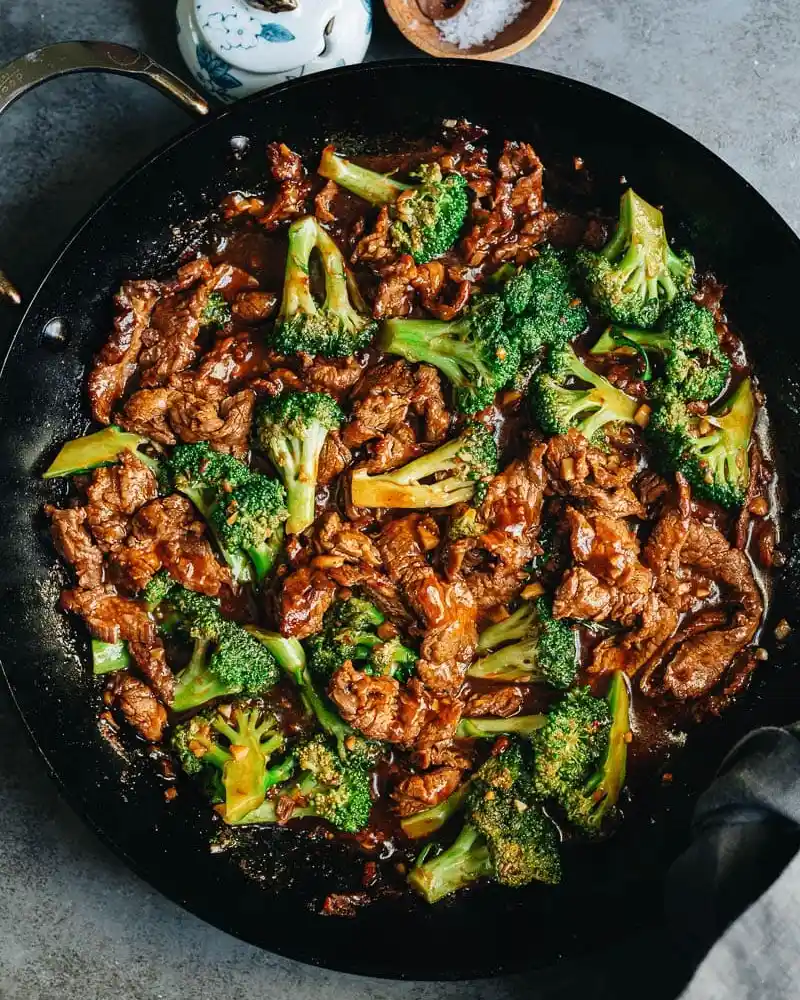
The cornstarch coating on the beef does double duty: it protects the meat’s surface from direct high heat during the sear, and it later thickens the sauce as those starch granules dissolve and swell once liquid hits the hot pan.
Preparation
Slice the beef into thin strips, about a quarter-inch thick, cutting at a slight angle against the grain. Toss it with soy sauce, cornstarch, baking soda if using, and oil, then let it sit at room temperature for 15 minutes while you prep everything else. Bring a small pot of salted water to a boil for the broccoli, and whisk together every sauce ingredient except the cornstarch slurry in a separate bowl so it’s ready to pour in one motion later.
Step-by-Step Method
1. Drop the broccoli florets into the boiling salted water and blanch for exactly 90 seconds, until the color shifts from dull green to vivid bright green. Drain immediately and run under cold water to stop the cooking, since carryover heat will turn the florets mushy within another minute if you skip this step.
2. Heat the wok or skillet over high heat until a bead of water flicked onto the surface skitters and evaporates in under a second. Add the oil and swirl it around the pan’s surface to coat evenly.
3. Lay the marinated beef in a single layer, working in two batches if your pan is on the smaller side. Sear undisturbed for 60 seconds, until the underside turns deep brown at the edges, then flip each piece.
4. Cook the second side for another 30 to 45 seconds, just until the beef is barely pink in the center.
Chef’s Note: Pull the beef out of the pan entirely at this stage and set it aside on a plate, since it’ll finish cooking later when it goes back in with the sauce, and leaving it in the pan now guarantees it overcooks.
5. Add the garlic and ginger to the same pan, using the residual oil and beef drippings already there. Stir constantly for about 20 seconds, until the aroma turns fragrant and slightly nutty rather than raw and sharp.
Food safety note: Since the beef went back into the pan and finished cooking with the sauce, confirm no pink remains in the thickest slice before serving, or use a thermometer to check for 145°F.
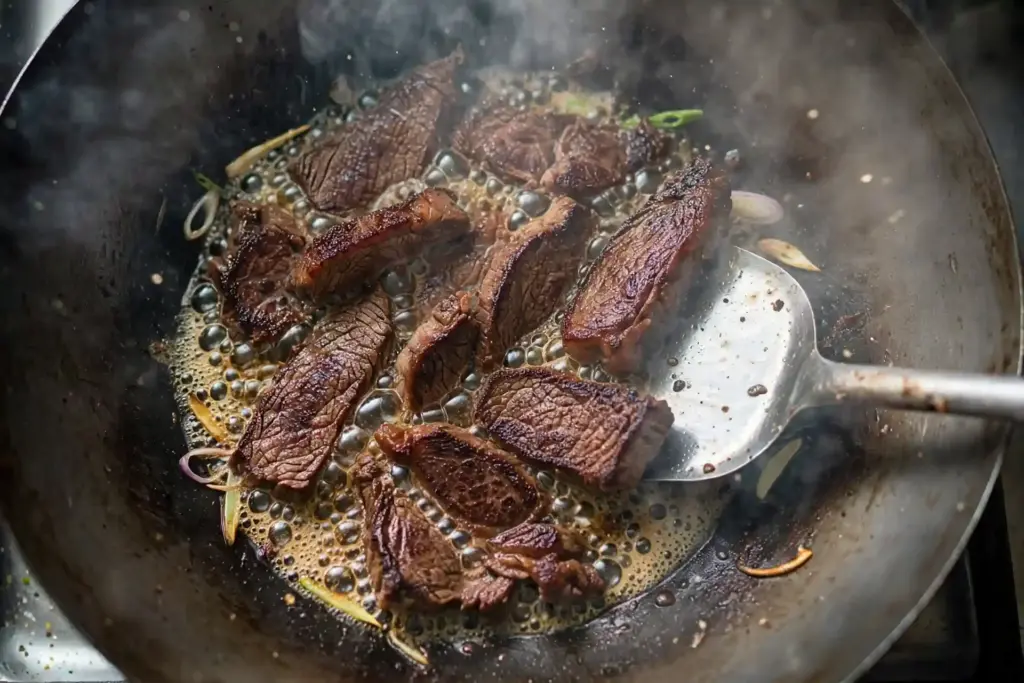
6. Pour in the whisked sauce mixture (everything except the cornstarch slurry) and bring it to a gentle bubble. Once it’s actively bubbling at the edges, stir in the cornstarch slurry and watch the sauce thicken within about 30 seconds into a glossy, coating consistency.
7. Return the beef to the pan along with the blanched broccoli. Toss everything together for 60 to 90 seconds, just long enough for the sauce to coat every piece evenly and the beef to finish cooking through.
Chef’s Note: If the sauce looks too thick before you’ve added the beef and broccoli back in, splash in a tablespoon of the broccoli’s blanching water. That starchy water thins the sauce slightly without diluting the flavor the way plain water would.
Chef’s Note: Serve this within 10 minutes of finishing the sauce step. The broccoli keeps releasing moisture as it sits, and the sauce that looked perfectly glossy in the pan can turn watery on the plate if it waits too long.
Expert Tips & Tricks
- Make-ahead: Slice the beef and mix the sauce up to 24 hours in advance, storing both separately in the fridge. Don’t marinate the beef longer than an hour before cooking, since the baking soda’s tenderizing effect can turn the texture mushy past that point.
- Storage: Leftovers keep for up to 3 days in an airtight container. Reheat in a skillet over medium heat rather than the microwave, since the microwave tends to turn the broccoli rubbery and unevenly hot.
- Freeze the sauce separately in an ice cube tray if you cook this often. Two frozen sauce cubes thaw in under 5 minutes in a warm pan, which cuts your prep time on a repeat night significantly.
- Buy pre-sliced stir-fry beef from the butcher counter if slicing raw beef thin feels tricky. Ask specifically for it cut against the grain, since some pre-sliced packages aren’t cut with stir-fry in mind.
- Freeze the beef for 15 minutes before slicing. Partially frozen meat holds its shape under the knife far better than room-temperature beef, making thin, even slices much easier to achieve.
- Double the sauce recipe and keep half in the fridge. It holds for about a week and works on chicken or shrimp stir-fries just as well, saving prep time on a different night.
You may also like: mississippi pot roast
Common Mistakes and How to Fix Them
Tough, chewy beef. This almost always traces back to slicing with the grain instead of against it, or overcooking the beef during the initial sear. Check the direction of the muscle fibers before you start cutting, and pull the beef from the pan the moment it’s barely pink rather than waiting for full doneness.
Soggy, olive-colored broccoli. Usually means the broccoli went straight into the stir-fry raw instead of getting blanched first, or it sat in the hot sauce too long before serving. Blanch for the full 90 seconds and add it back to the pan only in the final minute of cooking.
Watery sauce that won’t thicken. Often happens when the cornstarch slurry gets added to sauce that isn’t actively bubbling yet. Cornstarch needs sustained heat to activate its thickening properties, so wait until you see real bubbles at the pan’s edges before stirring in the slurry.
Bland sauce despite following the recipe. Frequently comes down to using regular soy sauce instead of low-sodium, which throws off the salt balance since the recipe is built around the milder version. If regular soy sauce is all you have, cut the amount by about a third and taste before adjusting further.
Beef sticking to the pan. Almost always means the pan wasn’t hot enough before the beef went in. Test with a water droplet first; it should evaporate within a second, not sit there sizzling slowly.
Honest Trade-Off
This version trades the deep char and smoky flavor you’d get from a commercial wok burner running at temperatures home stoves can’t reach. If you’re chasing that specific charred, restaurant-wok flavor, no home stovetop version will fully get there, and you’d need a specialized high-BTU outdoor burner to close that gap. But for a dish that tastes noticeably better than delivery and comes together on a regular stovetop, this trade works heavily in your favor.
Storage and Make-Ahead
Store leftovers in an airtight container in the fridge for up to 3 days. The sauce holds up well, though the broccoli softens somewhat by day three. Freezing isn’t recommended once assembled, since broccoli turns mushy and watery after thawing, though the sauce alone freezes well for up to 2 months in a sealed container.
Variations and Substitutions
For a spicier version, add 1/2 teaspoon of crushed red pepper flakes or a tablespoon of chili garlic sauce directly into the sauce mixture. For a milder, kid-friendly version, cut the ginger in half and skip any added heat entirely. A vegetarian version works well with extra-firm tofu, pressed and pan-fried until golden before adding to the sauce in place of beef. For a lower-carb option, swap the beef broth’s thickening role with xanthan gum instead of cornstarch, using about a quarter of the amount since xanthan gum thickens much more aggressively.
Serving Suggestions
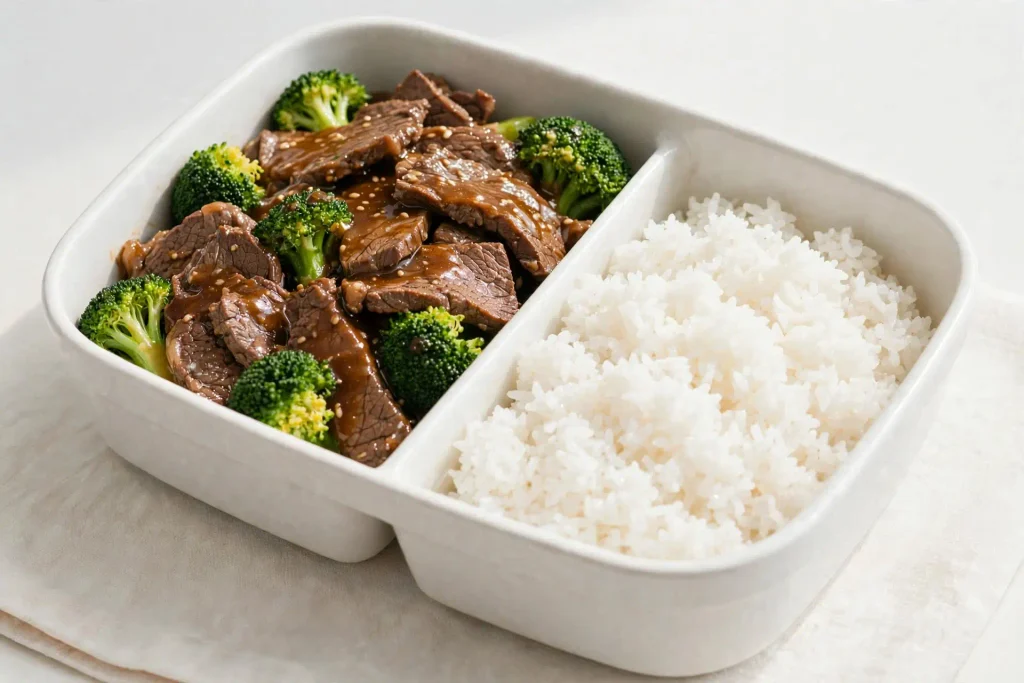
This pairs naturally with steamed jasmine rice or cauliflower rice for a lighter option. A side of quick-pickled cucumbers cuts through the sauce’s richness nicely, and a simple egg drop soup rounds out the meal without much extra effort. For drinks, unsweetened iced tea or sparkling water with lime keeps things simple alongside the bold sauce flavor.
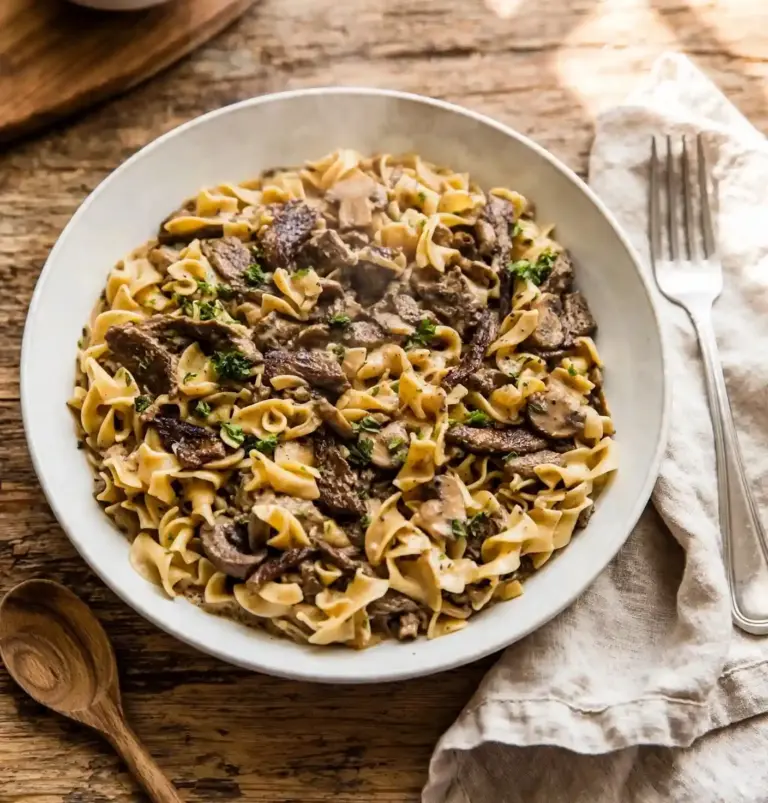
You may also like: beef stroganoff
FAQ
Can I make beef and broccoli ahead of time for meal prep?
Yes, though it’s best assembled fresh rather than fully cooked and reheated as one dish. Slice the beef and mix the sauce up to a day ahead, then cook everything fresh in under 15 minutes when you’re ready to eat, since the broccoli’s texture holds up far better this way than after reheating.
Why did my beef turn out tough instead of tender?
Tough beef almost always means it was sliced with the grain instead of against it, or left in the pan too long during the initial sear. Look closely at the direction the muscle fibers run before cutting, and pull the beef out the moment it’s barely pink since it finishes cooking later in the sauce.
What can I use instead of oyster sauce?
A mushroom-based vegetarian stir-fry sauce works as a close substitute and delivers similar umami depth without any shellfish content. Hoisin sauce also works in a pinch, though it brings more sweetness, so cut the added brown sugar by half if you go that route.
How do I know when the beef is fully cooked?
The beef should show no pink in the thickest slice by the time you finish tossing it with the sauce and broccoli, or read 145°F on an instant-read thermometer. Since it goes back into the pan for a final minute after the initial sear, most pieces finish cooking through during that last step.
Does this recipe work with a different cut of beef?
Flank steak and sirloin both work well because they’re lean enough to sear quickly without turning greasy. Tougher cuts like chuck can work too, but they benefit from the baking soda step in the marinade, since that’s what breaks down the extra connective tissue those cuts contain.
A Few Final Notes
Beef and broccoli holds up as a regular weeknight option once the blanching and slicing steps become routine, since the actual cooking time barely stretches past 10 minutes. Keep the sauce recipe doubled and frozen in portions, and the whole dish drops to a genuinely fast dinner on repeat nights. The technique here, thin slicing against the grain paired with a quick sear, carries over directly to other stir-fry proteins if you want to build on it.
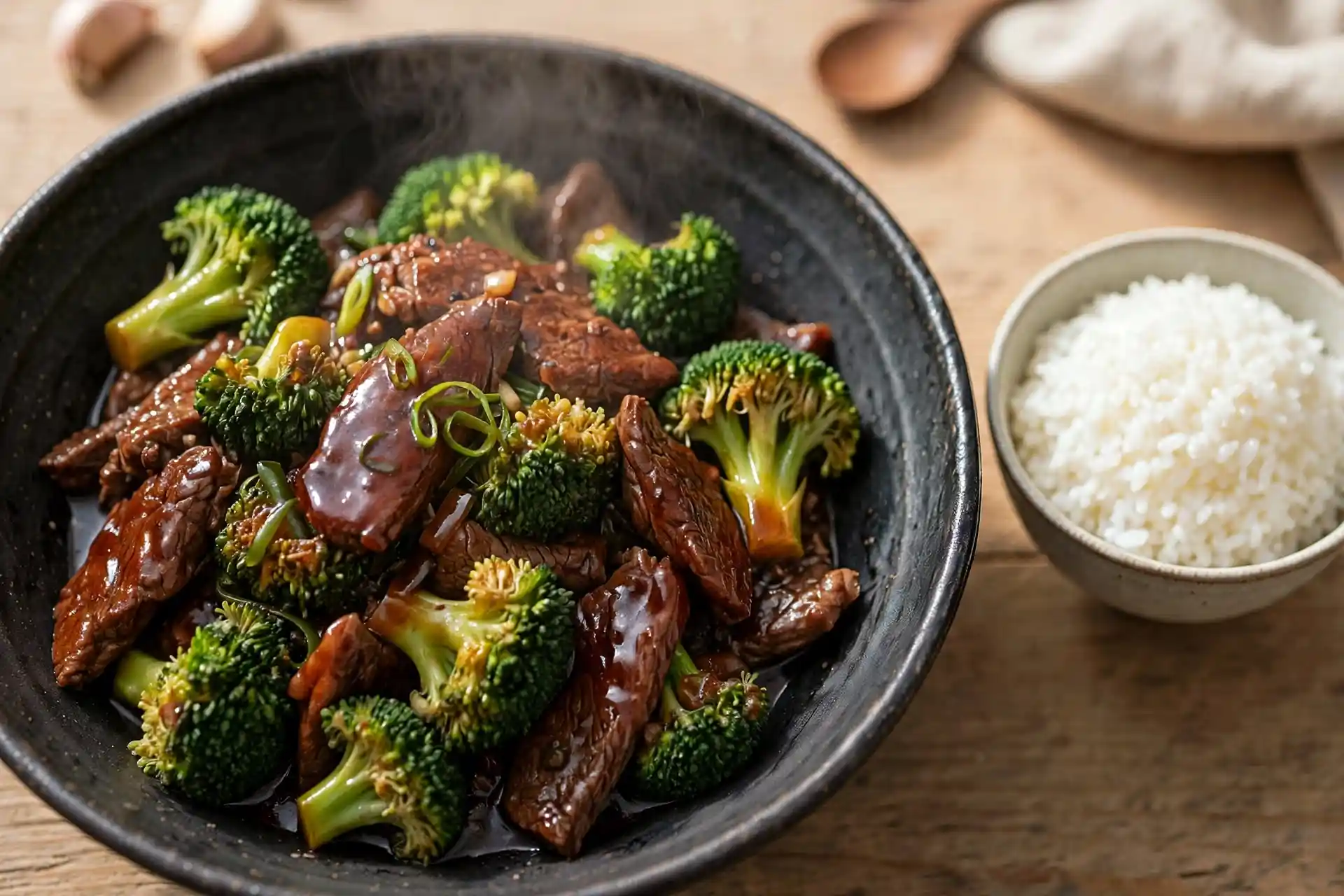
Beef and Broccoli
Ingredients
Method
- Blanch broccoli in salted boiling water for 90 seconds, then shock in cold water.
- Marinate sliced beef in soy sauce, cornstarch, baking soda, and oil for 15 minutes.
- Sear beef in a hot wok in batches, 60 seconds per side, then remove.
- Cook garlic and ginger in the same pan for 20 seconds.
- Add sauce ingredients (minus slurry), bring to a bubble, then stir in cornstarch slurry to thicken.
- Return beef and broccoli to the pan, toss for 60-90 seconds until coated.
- Serve within 10 minutes.



4 Comments
Comments are closed.