
Hot Coffee
Hot Coffee That Doesn’t Taste Bitter or Burnt
Bitter coffee almost never comes down to the beans themselves, it comes down to water that’s too hot or grounds that steeped too long. Getting a clean cup of hot coffee is mostly about two numbers: water temperature and brew time, both of which are easy to get wrong without a thermometer or a timer nearby. Once those two things are dialed in, even an ordinary bag of grocery store coffee tastes noticeably better.
Why This Method Makes a Real Difference in the Cup
Water that’s too hot pulls bitter compounds out of the grounds faster than it extracts the sweeter, more balanced flavors, which is why coffee made straight off a rolling boil often tastes harsh. Letting boiled water rest for about 30 seconds before pouring drops it into the ideal extraction range without needing a thermometer at all. A consistent grind size matters just as much as water temperature, since uneven grounds extract at different rates and leave some particles over-extracted while others are under-extracted in the same cup. Blooming the grounds with a small splash of water before the full pour lets trapped carbon dioxide escape first, which otherwise blocks water from evenly soaking through the coffee bed. Measuring by weight instead of scoops keeps the ratio consistent cup to cup, since a scoop of finely ground coffee packs differently than one of coarse grounds.
Quick Information
- Prep time: 2 minutes
- Brew time: 4 minutes
- Total time: 6 minutes
- Servings: 1 (makes about 8 oz)
- Difficulty: Easy
- Calories per serving: approximately 2 (black, no additions)
- Most important factor: water temperature between 195°F and 205°F
- Best for: mornings, a slow afternoon reset, anyone tired of bitter coffee
Ingredients
- 2 tablespoons (about 18g) medium-coarse ground coffee
- 8 ounces (about 240g) filtered water, just off the boil
- Optional: milk, cream, or sweetener to taste
Measuring the coffee by weight rather than scoops keeps the ratio accurate regardless of how finely or coarsely it’s ground, a loose scoop of coarse grounds and a packed scoop of fine grounds can weigh very different amounts even though they look like the same quantity.
Filtered water matters more than most people assume, since tap water with a strong mineral or chlorine taste comes through directly in the final cup, there’s nowhere for that flavor to hide in something as simple as black coffee.
You may also like: pumpkin chocolate chip cookies
Recipe Timing
Prep 2 minutes, brew 4 minutes, no rest time needed, total 6 minutes. Serves 1. Easy difficulty. American beverage, breakfast or anytime drink.
Equipment Needed
- Kettle (electric or stovetop)
- Coffee maker, pour-over dripper, or French press
- Kitchen scale, if measuring by weight
- Coffee grinder, if using whole beans
- Mug
A kitchen scale sounds like overkill for a single cup of coffee, but it’s the single fastest way to get a consistent result every time without guessing at scoop sizes.
Why Water Temperature Changes the Whole Flavor
Water above 205°F extracts bitter compounds from the coffee grounds faster than it pulls out the sweeter, more balanced flavor compounds, which is the main reason coffee made with water straight off a hard boil often tastes harsh or burnt. Letting the kettle sit for about 30 seconds after it clicks off brings the temperature down into the 195°F to 205°F range, close enough without needing to check a thermometer every time.

Preparation
Grind whole beans just before brewing if you have them, pre-ground coffee loses aroma fast once exposed to air. Fill the kettle with fresh, cold filtered water rather than reheating water that’s already been boiled once, since reboiled water tastes noticeably flatter.
Step-by-Step Method
1. Bring the water to a boil in the kettle, then remove it from heat and let it sit for about 30 seconds. This short rest brings the temperature down into the ideal 195°F to 205°F extraction range without needing to check it directly.
2. Place the ground coffee into your brewing device of choice, whether that’s a pour-over dripper, a French press, or a drip machine’s filter basket.
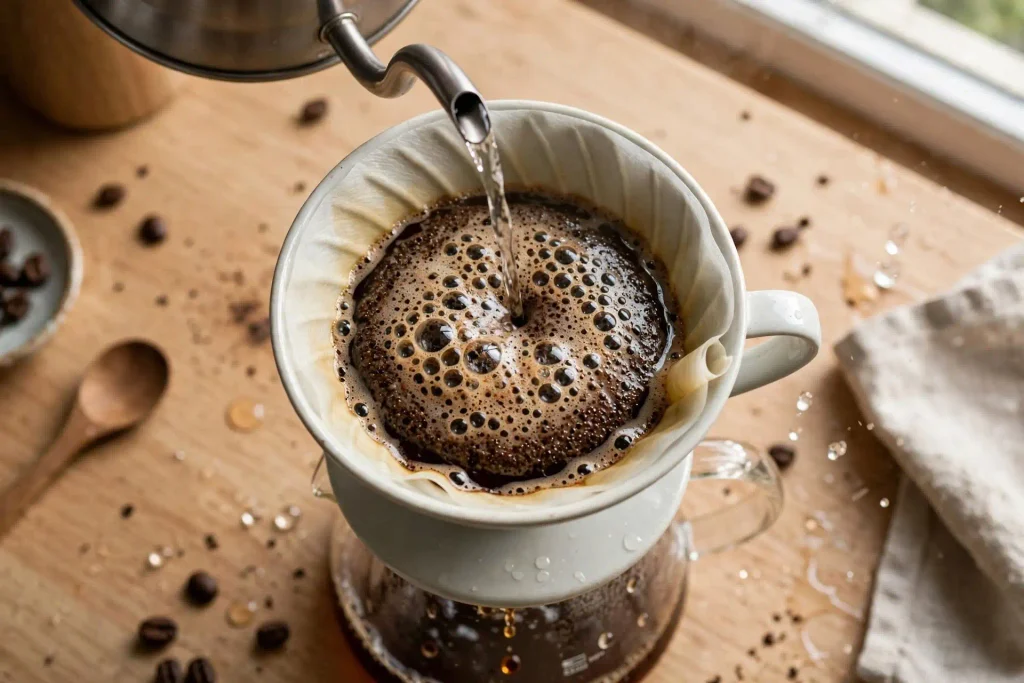
3. Pour a small amount of hot water, just enough to saturate the grounds, and let it sit for 30 seconds. You’ll see the grounds bubble and swell slightly, that’s trapped carbon dioxide escaping, a step called blooming that keeps the rest of the water from channeling unevenly through the bed.
4. Slowly pour the remaining water over the grounds in a steady, circular motion if using a pour-over, or simply fill the French press and stir gently. Moving the water around evenly keeps all the grounds extracting at the same rate.
5. Let the coffee finish brewing, around 3 to 4 minutes total depending on your method, until the coffee has passed fully through a filter or, for a French press, the full steep time has elapsed.
6. If using a French press, press the plunger down slowly and steadily rather than forcing it, a plunger pushed too fast can push fine grounds through the mesh and into the final cup.
7. Pour the finished coffee into your mug right away rather than letting it sit in the brewing device, coffee left sitting on wet grounds keeps extracting and turns more bitter the longer it sits.
8. Taste it black first before adding any milk or sweetener, this is the only way to actually judge whether your ratio and timing were right, additions can mask an off result.
Chef’s Note: If your coffee tastes sour or weak despite following the steps, the grind was likely too coarse or the brew time too short, both lead to under-extraction.
Chef’s Note: If it tastes bitter or harsh, the water was probably too hot, or the grind was too fine for your brewing method, both push extraction further than it needs to go.
Chef’s Note: Don’t skip the bloom step, even on a rushed morning. It takes 30 seconds and makes a noticeably more even cup.
You may also like: pumpkin pancakes
Expert Tips & Tricks
- Make-ahead: Coffee itself doesn’t hold well once brewed, but pre-measuring and grinding beans the night before saves time on a rushed morning.
- Storage: Store whole or ground beans in an airtight container away from light and heat, not in the fridge or freezer, repeated temperature swings introduce moisture that dulls the flavor faster than room temperature storage.
- Preheat your mug with a splash of hot water before brewing if your kitchen runs cold, a cold mug pulls heat out of the coffee fast and can drop the temperature more than you’d expect.
- Use a burr grinder instead of a blade grinder if you’re grinding whole beans, a burr grinder produces an even particle size, where a blade grinder chops unevenly and leaves some grounds over-extracted.
- If your coffee always tastes slightly different day to day, check that you’re measuring consistently, inconsistency in the ratio is the most common hidden cause of a cup that varies without explanation.
- Clean your brewing equipment regularly, oil residue builds up over time in reusable filters and French press mesh, and it turns rancid, adding an off flavor that has nothing to do with the beans themselves.
Common Mistakes & Troubleshooting
Coffee tastes bitter or burnt. The water was likely too hot, or it sat on the grounds too long. Let the kettle rest 30 seconds after boiling, and don’t let brewed coffee sit on wet grounds any longer than necessary.
Coffee tastes weak or sour. This usually means under-extraction, either the grind was too coarse, the water wasn’t hot enough, or the brew time was cut short. Check your grind size first, it’s the most common culprit.
Coffee tastes different every time you make it. Inconsistent measuring is almost always the cause. Switch to weighing the coffee and water on a scale instead of eyeballing scoops, it removes the guesswork entirely.
Coffee has a muddy or gritty texture. The grind was likely too fine for the brewing method, or a French press plunger was pushed down too fast, forcing fine particles through the mesh filter.
Coffee tastes flat despite following the steps. The water may have been boiled, cooled, and reboiled rather than freshly boiled from cold. Reboiled water loses dissolved oxygen, which flattens the final flavor noticeably.
Honest Trade-Off
This method takes a few extra minutes compared to pressing a button on a fully automatic drip machine, since blooming and a careful pour both add time to the process. If mornings are genuinely rushed and a few minutes matter more than the flavor difference, a programmable drip machine set up the night before is still a reasonable trade, it just won’t extract quite as evenly as a manual pour.
Storage & Make-Ahead
Brewed coffee doesn’t store well and is best consumed within 20 to 30 minutes of brewing before the flavor starts to flatten out. Whole or ground beans, on the other hand, keep well for up to 2 weeks past the roast date in an airtight container at room temperature, away from direct light. Freezing beans long-term is possible for up to 3 months, though flavor is noticeably better when beans are used fresh rather than frozen.
Variations & Substitutions
For a stronger cup, increase the coffee-to-water ratio slightly, closer to 2 ½ tablespoons per 8 ounces, rather than extending the brew time, which just pulls out more bitterness instead of more strength.
For a milder cup, reduce the ratio slightly and keep the brew time the same, cutting the time short instead tends to leave the coffee tasting sour rather than simply weaker.
For a spiced version, add a pinch of ground cinnamon or a small piece of orange peel directly to the dry grounds before brewing, it infuses subtly without needing a separate syrup.
Callout: If your tap water tastes strongly of chlorine or minerals, run it through a basic pitcher filter even if you’re not using it for anything else that day. The difference in the final cup is more noticeable than most people expect.
Serving Suggestions
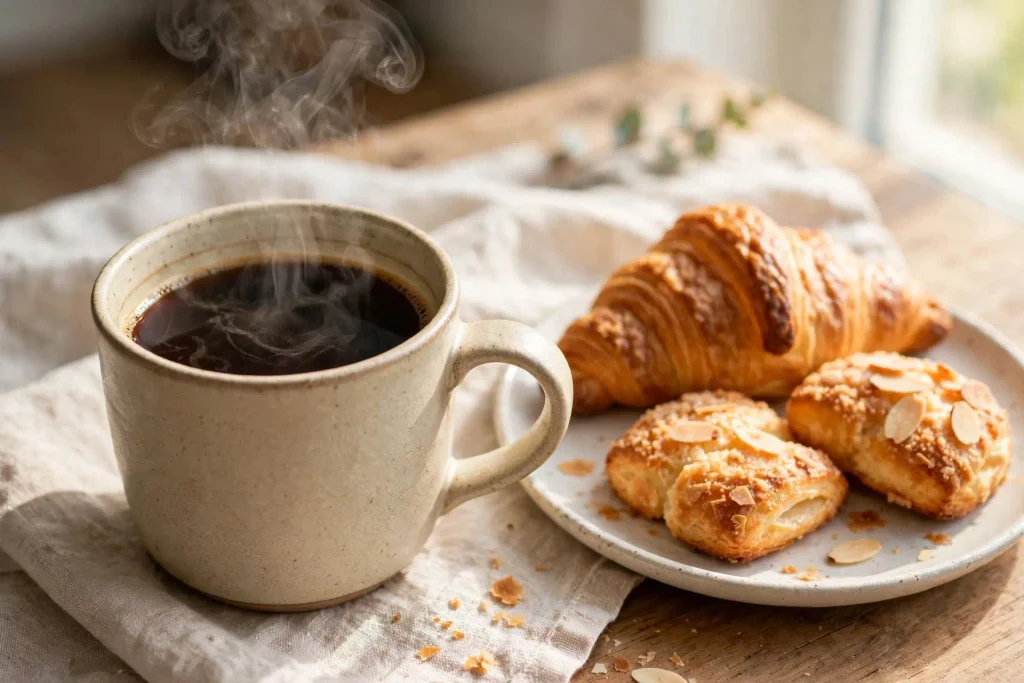
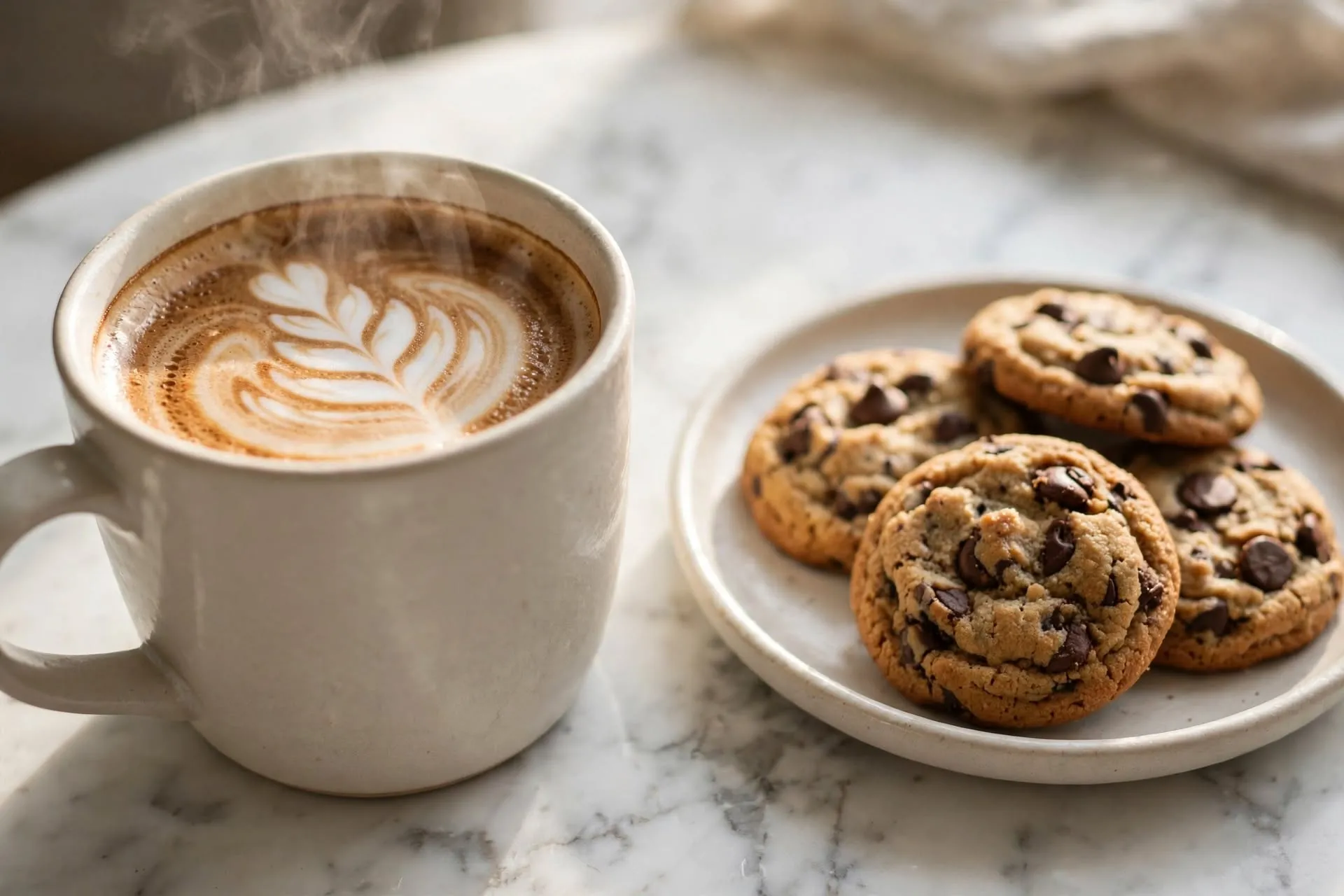
Hot coffee pairs naturally with something warm and slightly spiced on the side, a fall baked good works especially well against the bitterness of black coffee. If you’re setting up a cozy breakfast spread, fall cookies makes an easy pairing that doesn’t compete with the coffee’s flavor. A splash of cream or a drizzle of honey works well if you prefer it less than fully black.
Callout: Warm your milk or cream slightly before adding it rather than pouring it in cold straight from the fridge, it keeps the coffee’s temperature from dropping as fast once you’ve mixed everything together.
FAQ
Why does my coffee always taste bitter no matter what beans I use?
This is almost always about water temperature or brew time rather than the beans themselves. Let boiled water rest about 30 seconds before pouring, and don’t let coffee sit on wet grounds any longer than the recommended brew time.
Can I use tap water instead of filtered water?
You can, but any strong mineral or chlorine taste in your tap water comes through directly in a simple black coffee, since there’s nothing else in the cup to mask it. Filtered water generally gives a cleaner, more consistent result.
What’s the ideal coffee-to-water ratio?
A common starting point is about 2 tablespoons of ground coffee per 8 ounces of water, though this can be adjusted slightly stronger or weaker depending on personal preference and the specific beans used.
How do I know if my grind size is right for my brewing method?
A finer grind works for methods with shorter contact time, like espresso, while a coarser grind suits longer contact time, like a French press. If your coffee tastes bitter and over-extracted, try a coarser grind next time; if it tastes weak, go finer.
Can I reheat coffee that’s gone cold?
You can, though reheated coffee tends to taste flatter and sometimes more bitter than fresh, since the flavor compounds continue breaking down even after brewing stops. Reheating gently on the stove is better than microwaving, which can create hot spots that scald the coffee unevenly.
One Last Thing
Hot coffee doesn’t need expensive equipment to taste genuinely good, it mostly needs attention paid to two things most people skip over: how hot the water actually is and how long the grounds actually sit in it. Dial those in once, and the difference shows up in every cup after that, no new beans required.
Hot Coffee
Ingredients
Method
- Boil water, then let it rest 30 seconds to cool into the 195°F-205°F range.
- Place grounds in your brewing device. Pour a small amount of water over them and let bloom for 30 seconds.
- Slowly pour the remaining water over the grounds in a steady, even motion.
- Let brew 3-4 minutes depending on method.
- If using a French press, press the plunger down slowly.
- Pour into a mug immediately and taste black before adding anything else.



2 Comments
Comments are closed.