Pumpkin Bread Recipe
Pumpkin Bread Recipe With Warm Spices and a Crackly Top
Pumpkin bread goes wrong in one of two ways. Either the center sinks into a dense, gummy streak once the loaf cools, or the whole thing turns dry and crumbly by the second day. Both problems trace back to the same cause: too much liquid from the canned pumpkin, or an oven that’s too hot and sets the crust before the middle finishes rising.
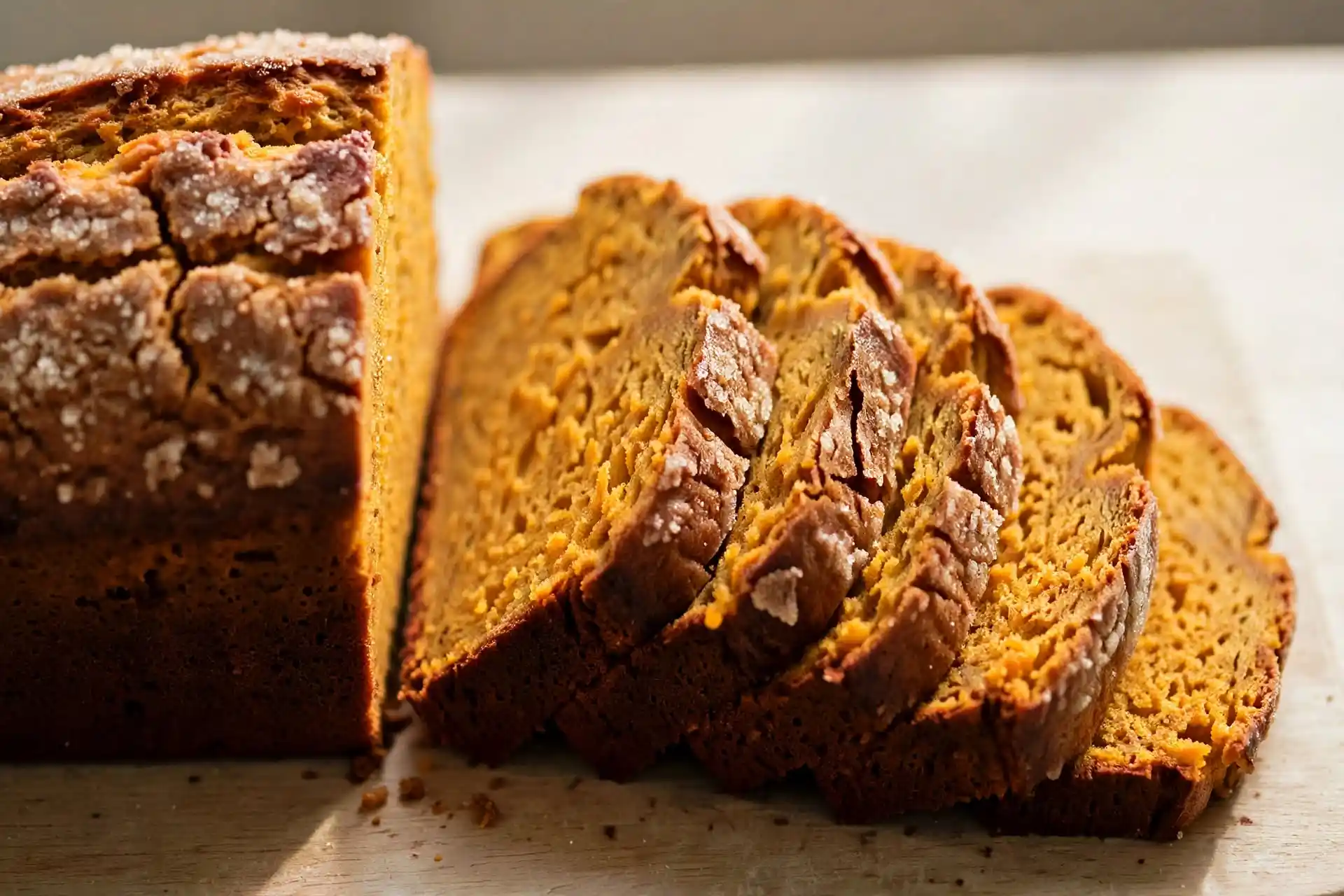
This version measures the pumpkin by weight rather than trusting a full can, which varies more than most bakers expect, and bakes at a moderate 350°F so the loaf rises evenly before the top sets. A streak of sugar across the batter right before baking turns into a thin, crackly crust, the same way a streusel sets on a coffee cake.
The recipe makes one 9×5 loaf, takes about 20 minutes of hands on work, and keeps well enough to pack in lunches through most of a week.
Why This Pumpkin Bread Recipe Holds Its Shape
- Measuring the pumpkin puree by weight (15 ounces, not a full can poured in blind) keeps the batter from turning too wet, which is the most common reason a loaf sinks in the middle.
- A moderate 350°F oven gives the loaf time to rise fully before the crust sets, so the center bakes through at the same rate as the edges.
- Brown sugar alongside the white sugar adds moisture and a faint caramel note that white sugar alone can’t reach.
- A thin sprinkle of turbinado sugar across the top before baking turns into a crackly, slightly crunchy crust that contrasts with the soft crumb underneath.
- No mixer is required. Everything comes together with two bowls and a whisk, start to finish.
- The loaf actually improves overnight, as the spices settle further into the crumb by the next morning.
Quick Recipe Snapshot
- Prep time: 20 minutes
- Cook time: 65 minutes
- Rest time: 15 minutes
- Total time: 100 minutes
- Servings: 10 slices
- Difficulty: Easy
- Calories: About 290 per slice
- Most important ingredient: Pure pumpkin puree, measured by weight
- Best for: Fall baking, breakfast, lunchbox treats
Ingredients
The Dry Ingredients
Spices here are measured heavier than most recipes call for, since pumpkin puree mutes flavor more than people expect once it’s baked into a loaf.
- 1¾ cups all purpose flour
- 1 teaspoon baking soda
- ½ teaspoon baking powder
- ½ teaspoon fine salt
- 2 teaspoons ground cinnamon
- 1 teaspoon ground ginger
- ½ teaspoon ground nutmeg
- ¼ teaspoon ground cloves
The Wet Ingredients
Weighing the pumpkin instead of eyeballing a can matters because canned pumpkin varies in moisture content by brand, and that extra liquid is exactly what causes a gummy center.
- 15 ounces pure pumpkin puree (not pumpkin pie filling)
- 1 cup granulated sugar
- ½ cup packed light brown sugar
- ½ cup neutral oil, such as vegetable or canola
- 2 large eggs
- ⅓ cup whole milk
- 1 teaspoon vanilla extract
The Topping
- 2 tablespoons turbinado or coarse sugar
- ¼ cup pepitas, optional
Substitutions that hold up: Melted and cooled coconut oil replaces the neutral oil at the same amount, adding a faint coconut note. Applesauce can replace up to half the oil for a lighter loaf, though the crumb turns slightly denser. Buttermilk swaps in for the whole milk and adds a gentle tang. A gluten free 1:1 flour blend works in place of the all purpose flour, though the loaf bakes a touch more delicate and should cool fully before slicing.
Recipe Timing
- Prep: 20 minutes
- Cook: 65 minutes
- Rest: 15 minutes
- Total: 100 minutes
- Servings: 10 slices
- Difficulty: Easy
- Cuisine: American
- Course: Breakfast, snack
Craving another fall bake with the same warm spices? Pumpkin chocolate chip cookies use a similar spice blend in a faster, grab and go format.
Allergen and Dietary Disclosure
This bread contains egg, dairy (milk), and wheat/gluten (flour). If pepitas aren’t tree nut free in your kitchen setup, note that for anyone with a nut allergy, since they’re processed in some of the same facilities.
- Egg: A flax egg (1 tablespoon ground flaxseed mixed with 3 tablespoons water, rested 5 minutes) replaces each egg, though the crumb turns slightly denser.
- Dairy: Any unsweetened plant based milk works in place of the whole milk at the same amount.
- Gluten: A gluten free 1:1 baking flour blend substitutes for the all purpose flour. The loaf will be a touch more fragile, so let it cool completely before slicing.
Equipment Needed
- 9×5 inch loaf pan. The standard size this recipe is built around. A different size pan changes the bake time significantly.
- Two mixing bowls. One for dry ingredients, one for wet, which keeps the baking soda from clumping before it hits the liquid.
- Whisk. Breaks up the eggs and sugar into the pumpkin smoothly without overworking the batter the way a mixer can.
- Toothpick or cake tester. The clearest way to check doneness in the center of a loaf this size.
Nutrition Information
Per slice (10 slices per loaf):
- Calories: 290
- Protein: 4 g
- Carbohydrates: 40 g
- Fat: 13 g
- Fiber: 1 g
- Sugar: 24 g
- Sodium: 210 mg
Pumpkin itself contributes a meaningful amount of vitamin A per slice, largely from the beta carotene that gives the puree its color. These figures are estimates built from USDA FoodData Central data and shift with the exact brand of pumpkin puree and oil used.
Why This Pumpkin Bread Recipe Rises Without Sinking
A quick bread like this one relies entirely on baking soda and baking powder for lift, since there’s no yeast and no creamed butter trapping air the way a cake batter does. That lift only works if the batter isn’t overloaded with liquid, which is why measuring the pumpkin by weight matters more here than in almost any other step. A full 15 ounce can sometimes measures closer to 16 or 17 ounces once drained slightly, and that extra ounce or two of moisture is often the difference between a loaf that rises evenly and one that sinks into a wet streak down the center.
Oven temperature plays a second role. At 350°F, the exterior of the loaf sets slowly enough that the rising batter underneath has time to expand before a crust locks it in place. A hotter oven sets that crust too fast, trapping the still rising center and forcing it to either crack through the top or collapse once it cools.
The sugar crust on top works through simple physics: a layer of coarse sugar sitting directly on wet batter partially dissolves during baking, then re-hardens into a thin, crackly shell as the loaf cools, similar to the top of a crème brûlée forming under a torch.
What makes pumpkin bread different from pumpkin pie? Pumpkin bread is a leavened quick bread made with flour, baking soda, and oil, giving it a cake like crumb, while pumpkin pie is an egg custard baked in a pastry shell with no flour or chemical leavening at all.
Preparation
Preheat the oven to 350°F and position the rack in the center. Grease a 9×5 inch loaf pan and line it with a strip of parchment paper hanging over the two long sides, which makes lifting the finished loaf out far easier than trying to flip it. Measure the pumpkin puree on a kitchen scale rather than by volume, and bring the eggs to room temperature if there’s time, since cold eggs can make the oil seize slightly when whisked in.
Step by Step Method
Whisk the flour, baking soda, baking powder, salt, cinnamon, ginger, nutmeg, and cloves together in a bowl until no streaks of a single spice remain visible.
In a separate large bowl, whisk the pumpkin puree, granulated sugar, and brown sugar together until the mixture looks smooth and slightly lightened in color, about 1 minute.
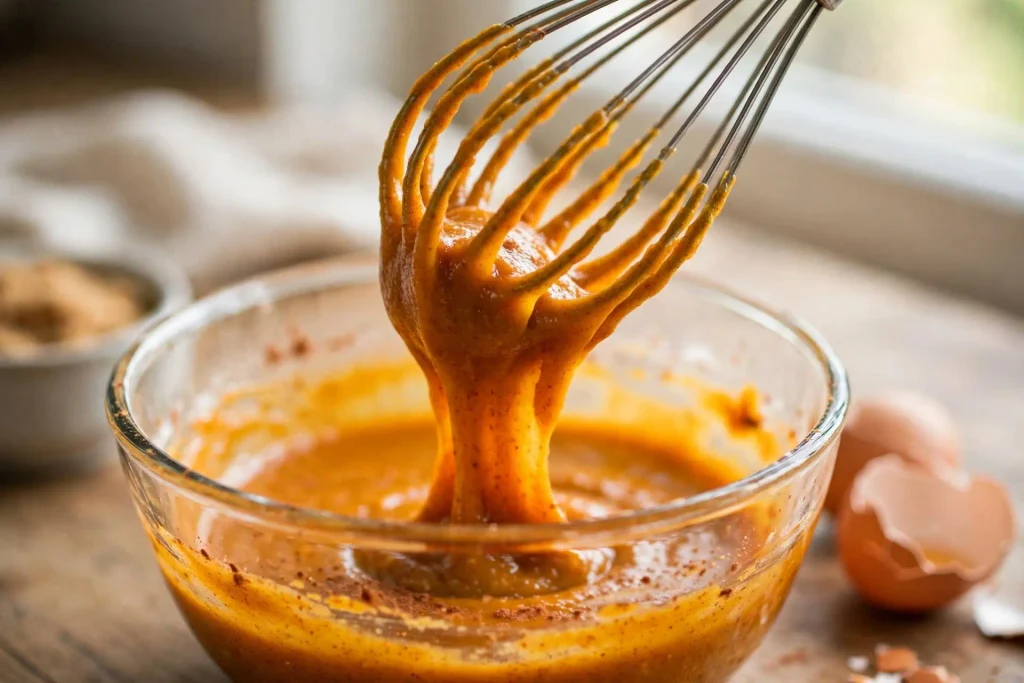
Whisk in the oil, then the eggs one at a time, followed by the milk and vanilla. The batter should look glossy and fully combined before moving on.
Add the dry ingredients to the wet in two additions, folding gently with a spatula each time. Stop as soon as no dry flour streaks remain. A few small lumps are fine, and overmixing at this stage is the step most likely to make the loaf tough.
Chef’s Note: Overworked batter develops gluten the same way bread dough does, and that gluten turns a tender quick bread chewy. Fold just until combined, then stop.
Pour the batter into the prepared pan and smooth the top with the spatula, pushing it slightly higher at the edges than the center, since the center naturally domes more as it bakes.
Sprinkle the turbinado sugar evenly across the top, then scatter the pepitas over it if using.
Chef’s Note: Pressing the pepitas in very lightly keeps them from rolling off, but leaving them loose gives a more rustic, uneven look that toasts a little darker at the edges.
Bake for 55 to 65 minutes. Check at the 50 minute mark: if the top is browning too fast, tent it loosely with foil for the remainder of the bake.
Test doneness by inserting a toothpick into the thickest part of the loaf. It’s ready when the toothpick comes out with a few moist crumbs clinging to it, not wet batter and not completely dry.
Cool the loaf in the pan for 15 minutes before lifting it out by the parchment overhang. Cooling in the pan too briefly risks the loaf breaking apart, since the crumb is still setting during this stage.
Let the loaf finish cooling on a wire rack for at least 30 minutes before slicing, so the center fully sets and doesn’t gum up under the knife.
Callout: Set a timer for the 50 minute mark specifically, not just the final bake time. Checking the top’s color partway through is the only way to catch a loaf that’s browning too fast before it’s actually overbaked.
Expert Tips and Tricks
- Make ahead: The batter can sit, covered, in the fridge for up to 2 hours before baking if your oven is occupied, though baking it fresh gives the best rise.
- Storage: Wrap the fully cooled loaf tightly in plastic wrap rather than storing it uncovered, since pumpkin bread dries out fast once the crust is exposed to air.
- Weigh the pumpkin: This is the single change most likely to fix a sunken loaf, more than any adjustment to oven temperature or bake time.
- Don’t overmix: Folding just until the flour disappears keeps the crumb tender. A few lumps in the batter are not a problem.
- Rotate the pan halfway through: Ovens often run hotter in the back, and a quick rotation at the 30 minute mark evens out the browning.
- Let it cool fully before slicing: A warm loaf looks tempting but slices messy and can seem gummy even when it’s fully baked through.
- Toast the pepitas first: A quick 3 minute toast in a dry pan before scattering them on top deepens their flavor and keeps them from tasting raw after baking.
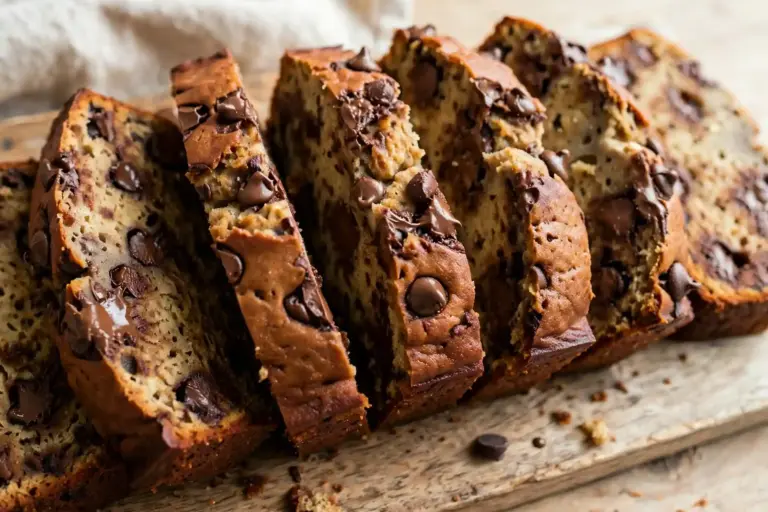
Looking for another quick bread with a similarly moist, spiced crumb? Chocolate chip banana bread follows much of the same batter logic with a different base fruit.
Common Mistakes and Troubleshooting
The center sank after cooling. The batter likely had too much moisture, often from pumpkin puree measured by volume instead of weight. Weigh the puree next time, and confirm the can says pure pumpkin, not pie filling, which contains added spices and sugar that throw off the ratio.
The loaf came out dry. It probably baked a few minutes too long, since oven temperatures vary. Start checking with a toothpick at the 50 minute mark instead of waiting for the full time listed.
The top cracked deeply down the middle. This is common and usually harmless, caused by the crust setting while the center still rises underneath. A lower oven temperature or a loosely tented foil cover partway through reduces how dramatic the crack looks.
The crumb turned gummy near the bottom. The loaf likely came out of the pan too soon, before the center finished setting during the cooling stage. Give it the full 15 minutes in the pan before lifting it out.
The bread tastes bland despite all the spices. Ground spices lose potency sitting in the pantry for months. Check that yours are less than a year old, and consider increasing the cinnamon slightly if the jar has been open a while.
Honest Trade-Off
This loaf leans toward a tender, almost cake like crumb rather than the denser, more rustic texture some older family recipes produce with less sugar and no added leavening beyond baking soda. Anyone who grew up with a heavier, less sweet version might find this one a touch more delicate. This recipe suits anyone who wants a moist, bakery style loaf without needing to track down a specific family formula.
Storage and Make Ahead
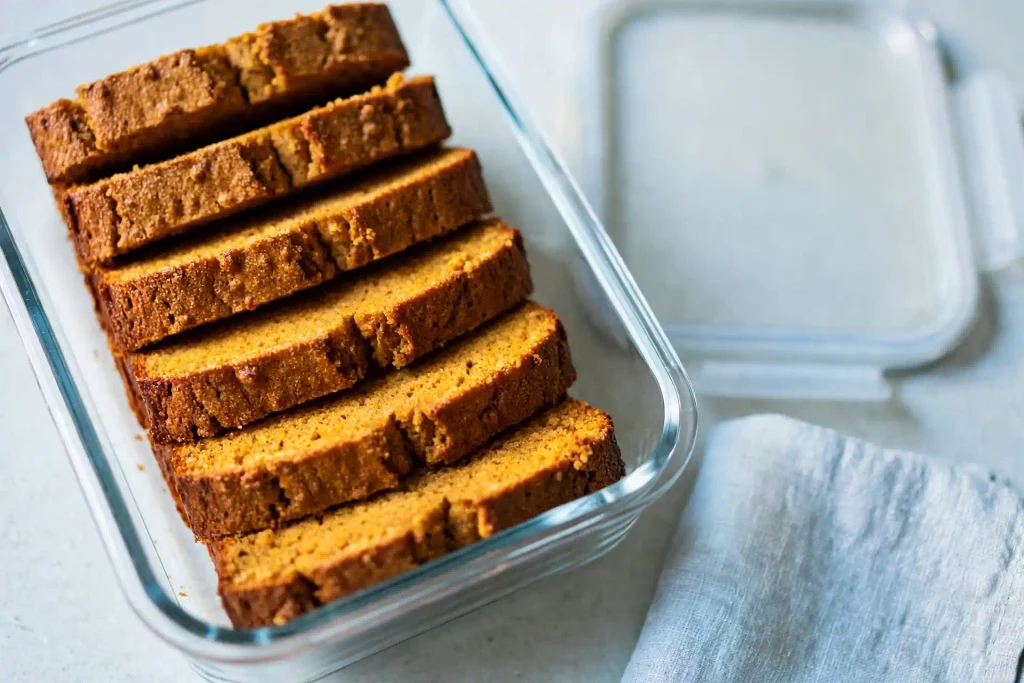
Room temperature: Wrapped tightly in plastic wrap, the loaf keeps for up to 3 days on the counter.
Refrigerator: Keeps for up to a week wrapped well, though refrigeration can dry the crumb slightly faster than room temperature storage.
Freezer: Freezes beautifully for up to 3 months. Wrap the cooled loaf in plastic wrap, then foil, and thaw at room temperature for a few hours before unwrapping. Individual slices can also be frozen separately for quicker single servings.
Variations and Substitutions
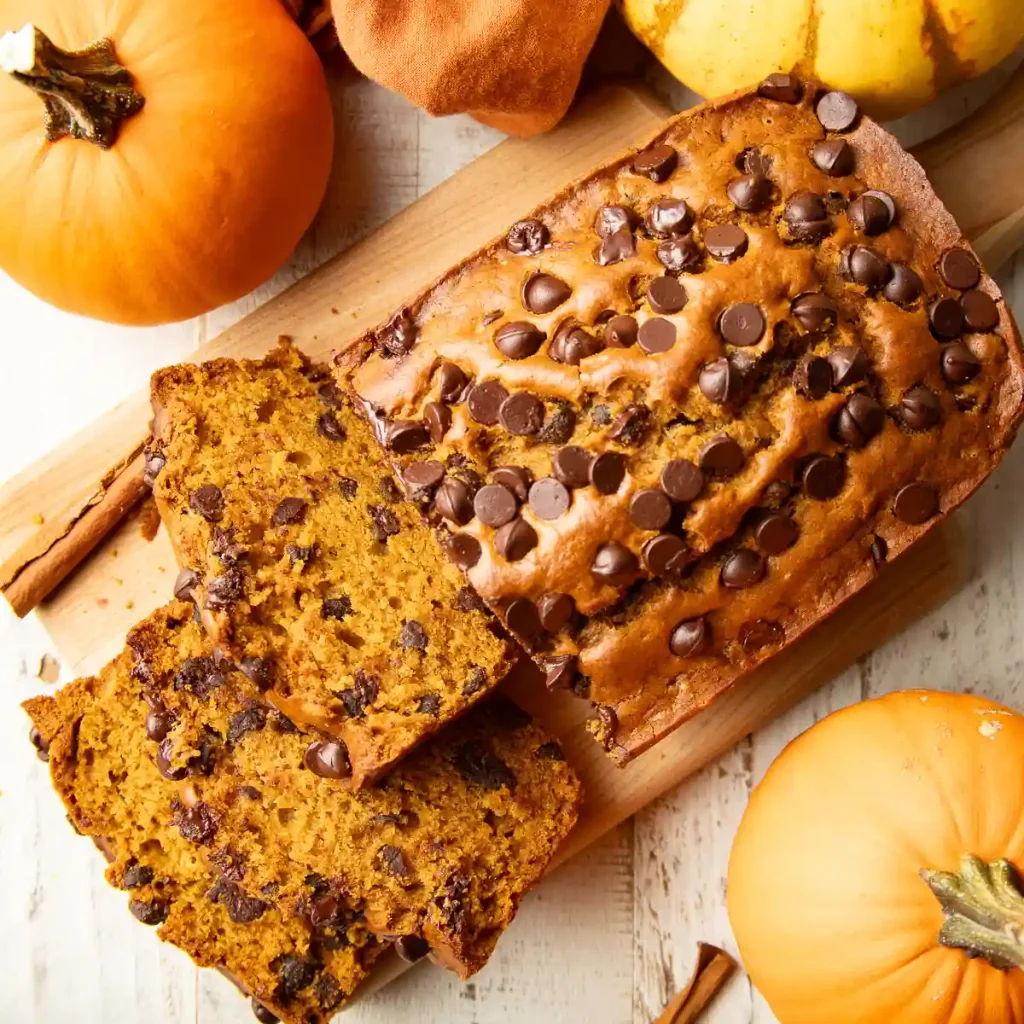
- Chocolate chip: Fold 1 cup of semisweet chocolate chips into the batter just before pouring it into the pan.
- Nutty: Add ¾ cup of chopped walnuts or pecans along with the dry ingredients.
- Mini loaves: Divide the batter among three mini loaf pans and reduce the bake time to about 35 to 40 minutes, checking with a toothpick.
- Muffins: Pour the batter into a lined muffin tin and bake at 350°F for 18 to 22 minutes for a dozen muffins instead of one loaf.
- Cream cheese swirl: Beat 4 ounces of softened cream cheese with 2 tablespoons of sugar and 1 egg yolk, then swirl it through the top of the batter with a knife before baking.
Serving Suggestions
A warm slice with a pat of butter melting into it is the simplest way to serve this loaf, especially fresh out of the oven on the first day. Cream cheese spread thick across a slice turns it into something close to a pumpkin version of carrot cake. A cup of coffee or spiced chai pairs naturally with the warm spices baked into the crumb. For a fall dessert table that goes beyond one loaf, apple crumble rounds things out with a different fruit and texture.
Callout: Toast a slice lightly under the broiler for 60 to 90 seconds before adding butter. The light crisping on the cut surface brings back some of the crackly texture from the day it was baked.
Frequently Asked Questions
Can I make pumpkin bread ahead of time?
Yes, and it often tastes better the next day once the spices settle further into the crumb. Bake the loaf up to 3 days ahead and store it wrapped tightly at room temperature, or freeze it for up to 3 months if you need more lead time.
Why did my pumpkin bread sink in the middle?
The most common cause is too much moisture in the batter, usually from measuring the pumpkin puree by volume rather than weight, since canned pumpkin varies by brand. Weigh out 15 ounces on a kitchen scale, and avoid pumpkin pie filling, which carries extra liquid and sugar that this recipe isn’t built around.
Can I use fresh pumpkin instead of canned?
Yes, but roast and puree it first, then drain it in a fine mesh strainer for about 20 minutes to remove excess water, since fresh puree holds more moisture than canned. Weigh out 15 ounces of the drained puree and proceed with the recipe as written.
How do I know when the bread is fully baked?
A toothpick inserted into the thickest part of the loaf should come out with a few moist crumbs attached, not wet batter and not completely clean and dry. Start checking at the 50 minute mark, since oven temperatures vary enough to shift the timing by several minutes either way.
Is this pumpkin bread safe for someone with an egg or dairy allergy?
The standard recipe contains egg and dairy from the milk. A flax egg replaces each egg, and any unsweetened plant based milk swaps in for the whole milk at the same amount, though the crumb turns slightly denser with the flax egg substitution. Check your loaf pan’s cooking spray or butter for dairy derivatives as well.
Conclusion
The scale matters more than the recipe card makes it seem. Fifteen ounces of pumpkin puree, weighed rather than poured straight from the can, is the single change most likely to turn a sunken, gummy loaf into one that rises evenly and slices clean. Once that ratio is locked in, the spice blend and the sugar crust on top are where the real personality of the loaf lives, so adjust the cinnamon and ginger to taste the next time you bake it.
Pumpkin Bread
Ingredients
Method
- Whisk the flour, leaveners, salt, and spices together.
- Whisk the pumpkin puree with both sugars until smooth.
- Whisk in the oil, eggs, milk, and vanilla.
- Fold in the dry ingredients in two additions until just combined.
- Pour into a prepared 9×5 loaf pan and smooth the top.
- Sprinkle with turbinado sugar and pepitas.
- Bake at 350°F for 55 to 65 minutes, tenting with foil if browning too fast.
- Check doneness with a toothpick at the 50 minute mark.
- Cool in the pan 15 minutes, then lift out by the parchment.
- Cool on a rack at least 30 minutes before slicing.