Korean Beef Bowl
Korean Beef Bowl With a Sweet Soy Garlic Glaze
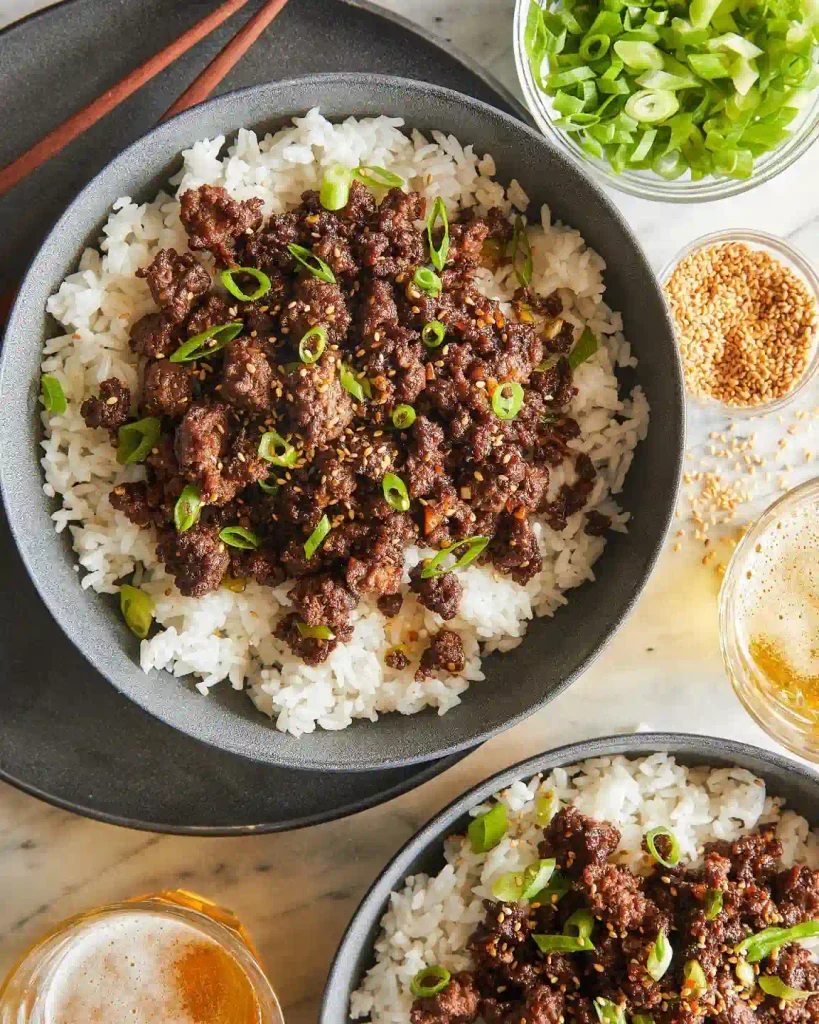
Korean beef bowl takes ground beef, a handful of pantry staples, and turns them into a sweet, savory glaze that coats every piece of meat before it ever touches the rice underneath. The dish borrows its flavor profile from Korean bulgogi, but skips the marinating time entirely since ground beef takes on seasoning far faster than sliced steak does.
The usual mistake is a glaze that never actually thickens, leaving watery beef sitting on top of rice instead of a glossy, clinging sauce. That happens when the sauce goes in before the pan has a chance to build any reduction, or when too much liquid gets added at once. This version lets the sauce bubble down on its own for a few focused minutes, so it turns syrupy and sticks to the meat rather than pooling at the bottom of the bowl.
The recipe serves four, takes about 20 minutes start to finish, and needs nothing more than a skillet and a pot of rice.
Why This Korean Beef Bowl Comes Together So Fast
- Ground beef takes on the sweet soy glaze in minutes, unlike sliced steak that usually needs hours of marinating to taste the same way.
- The sauce reduces directly in the pan the beef cooked in, so the fond left behind dissolves straight into the glaze instead of going to waste.
- Brown sugar and soy sauce caramelize together at the edges of the pan, giving the dish a slightly charred, savory depth without any extra equipment.
- Fresh ginger and garlic go in together rather than at different times, since both bloom at roughly the same rate in hot oil.
- One skillet handles the entire beef and sauce component, leaving only a pot of rice as the second dish to manage.
- The whole meal lands on the table faster than most delivery orders would arrive.
Quick Recipe Snapshot
- Prep time: 10 minutes
- Cook time: 12 minutes
- Rest time: 3 minutes
- Total time: 25 minutes
- Servings: 4
- Difficulty: Easy
- Calories: About 450 per serving
- Most important ingredient: Low sodium soy sauce
- Best for: Weeknight dinners, meal prep, fast family meals
Ingredients
The Beef
Fat left behind after browning the beef becomes the base the garlic and ginger bloom in, so don’t rinse the pan between steps.
- 1 pound ground beef (85/15)
- 1 tablespoon sesame oil
- 3 garlic cloves, minced
- 1 tablespoon fresh ginger, grated
The Glaze
Measuring the brown sugar and soy sauce precisely matters here, since the balance between sweet and salty is what separates this glaze from a plain soy marinade.
- ⅓ cup packed light brown sugar
- ⅓ cup low sodium soy sauce
- 2 tablespoons water
- 1 teaspoon rice vinegar
- ½ teaspoon red pepper flakes, optional
- ¼ teaspoon black pepper
To Serve
- 4 cups cooked white or jasmine rice
- 2 tablespoons sesame seeds, toasted
- 3 scallions, thinly sliced
- 1 cup shredded carrot, optional
- 1 cucumber, thinly sliced, optional
Substitutions that hold up: Ground turkey or chicken replaces the beef at the same weight, though the dish benefits from the extra tablespoon of sesame oil since lean poultry releases less fat. Coconut aminos can replace the soy sauce at the same amount for a soy free version, though the flavor turns slightly sweeter. Honey can stand in for part of the brown sugar for a different kind of sweetness.
Recipe Timing
- Prep: 10 minutes
- Cook: 12 minutes
- Rest: 3 minutes
- Total: 25 minutes
- Servings: 4
- Difficulty: Easy
- Cuisine: Korean inspired American
- Course: Dinner
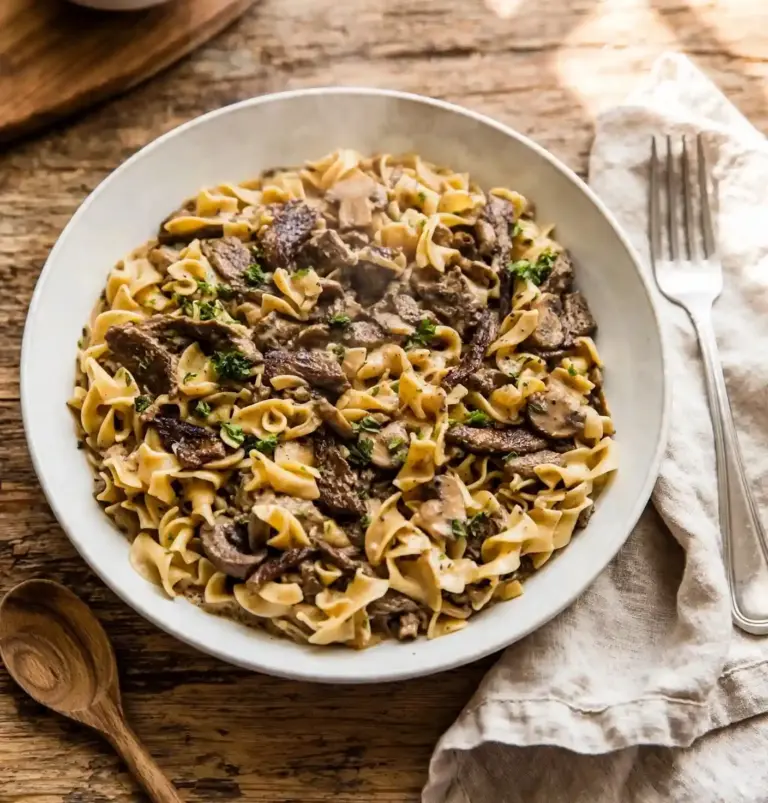
Looking for another savory dish that builds depth from a short list of pantry staples? Swedish meatballs use a completely different flavor profile but the same quick weeknight logic.
Allergen and Dietary Disclosure
This dish contains soy (soy sauce) and sesame (sesame oil, sesame seeds). Some soy sauce brands also include wheat, so check the label if you avoid gluten.
- Soy: Coconut aminos replace the soy sauce at the same amount, though the glaze turns a touch sweeter and less salty, so add a small pinch of extra salt to balance it.
- Sesame: Skip the sesame oil and seeds. A neutral oil works for cooking, and a sprinkle of chopped peanuts or just the scallions alone can replace the seeds as a garnish.
Equipment Needed
- 12 inch skillet. Wide enough that the beef browns in one layer and the sauce has room to reduce without overflowing.
- Flat edged wooden spoon. Breaks the beef into small crumbles and scrapes any browned bits off the pan floor once the sauce goes in.
- Microplane or fine grater. Makes quick work of grating fresh ginger without leaving large fibrous chunks in the glaze.
- Rice cooker or medium pot with a lid. Either works for cooking the rice while the beef comes together.
Nutrition Information
Per serving (about 1 cup beef with glaze, 4 servings per recipe, rice not included):
- Calories: 450
- Protein: 26 g
- Carbohydrates: 24 g
- Fat: 28 g
- Fiber: 1 g
- Sugar: 20 g
- Sodium: 780 mg
Using 90% lean beef instead of 85/15 trims roughly 60 calories per serving, since most of the fat here comes from the meat itself rather than the glaze. These figures are estimates built from USDA FoodData Central data and shift with the exact beef fat percentage and how much glaze clings to each serving.
How a Korean Beef Bowl Builds Its Glaze So Fast
A marinade works by giving salt and sugar time to slowly penetrate a solid piece of meat, which is why sliced steak often needs hours to take on real flavor. Ground beef skips that limitation entirely, since the meat is already broken into small pieces with far more surface area exposed. The glaze coats every crumble directly in the pan, so there’s no need to wait for anything to soak in beforehand.
Reduction is the other half of the equation. Soy sauce and brown sugar start out thin and watery when first combined, but a few minutes of active simmering drives off excess water and concentrates the remaining sugars until the mixture turns glossy and clings to a spoon rather than running off it, the same principle behind reducing a pan sauce after searing a piece of meat.
Garlic and ginger bloomed together in hot oil before the glaze goes in release aromatic compounds that dissolve into fat rather than water, which is why they’re added early rather than stirred into the sauce itself. Adding them directly to the sauce instead would mute their flavor considerably.
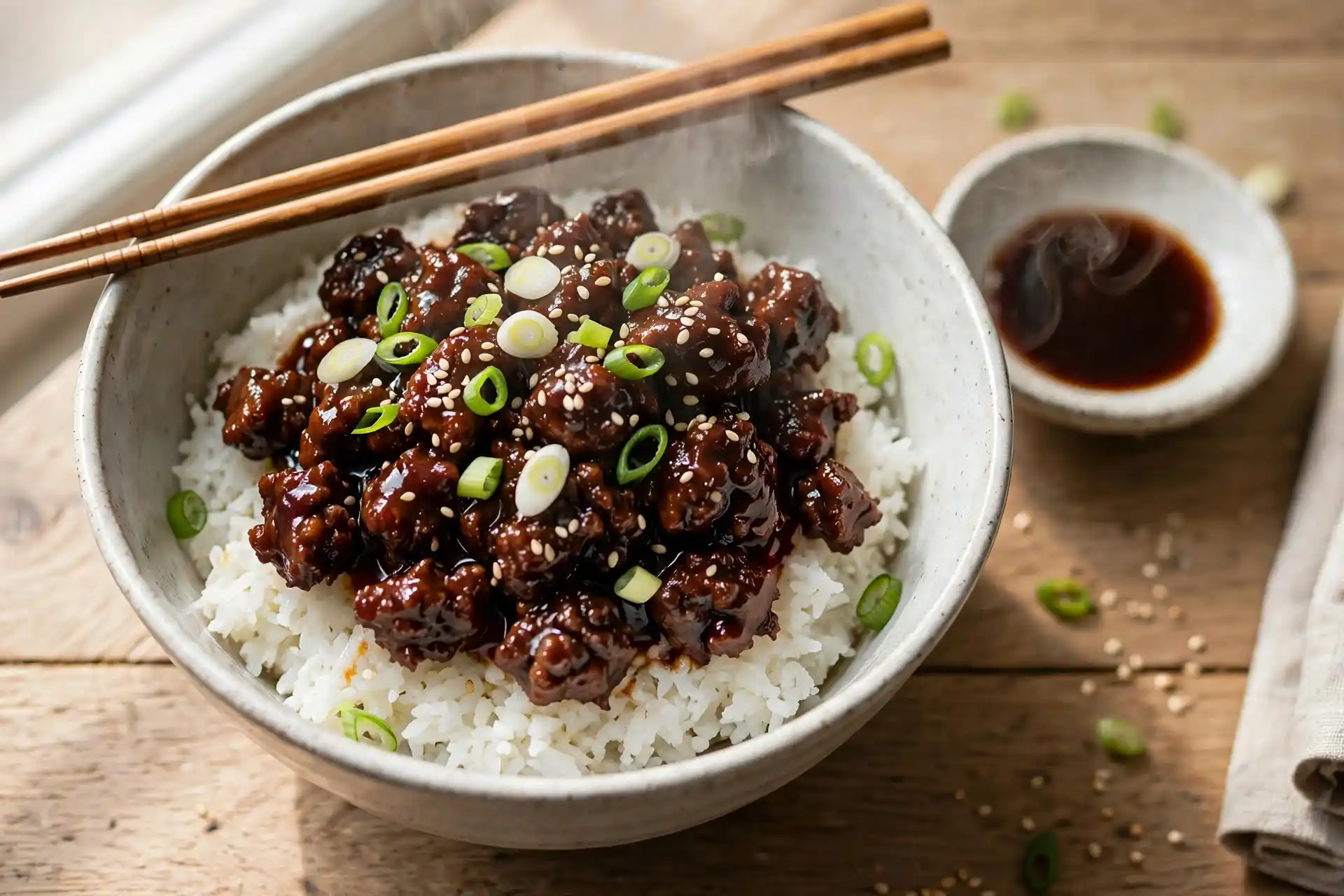
What is a Korean beef bowl? A Korean beef bowl is ground beef cooked with garlic and ginger, coated in a reduced sweet soy glaze inspired by Korean bulgogi flavors, and served over steamed rice with sesame seeds and scallions.
Preparation
Cook the rice first if it isn’t already made, since it needs more time than the beef and sauce combined. Mince the garlic and grate the ginger, measure out the brown sugar and soy sauce into a small bowl so they’re ready to pour in together, and slice the scallions and cucumber if using. Toast the sesame seeds in a dry pan for about 90 seconds, shaking often, if they aren’t pre-toasted.
Step by Step Method
Heat the sesame oil in a skillet over medium high heat. Add the ground beef and break it apart immediately, cooking until no pink remains and it reaches 160°F, about 6 minutes.
Tilt the pan and spoon off any excess fat beyond about 1 tablespoon, since too much fat left behind will keep the glaze from thickening properly later.
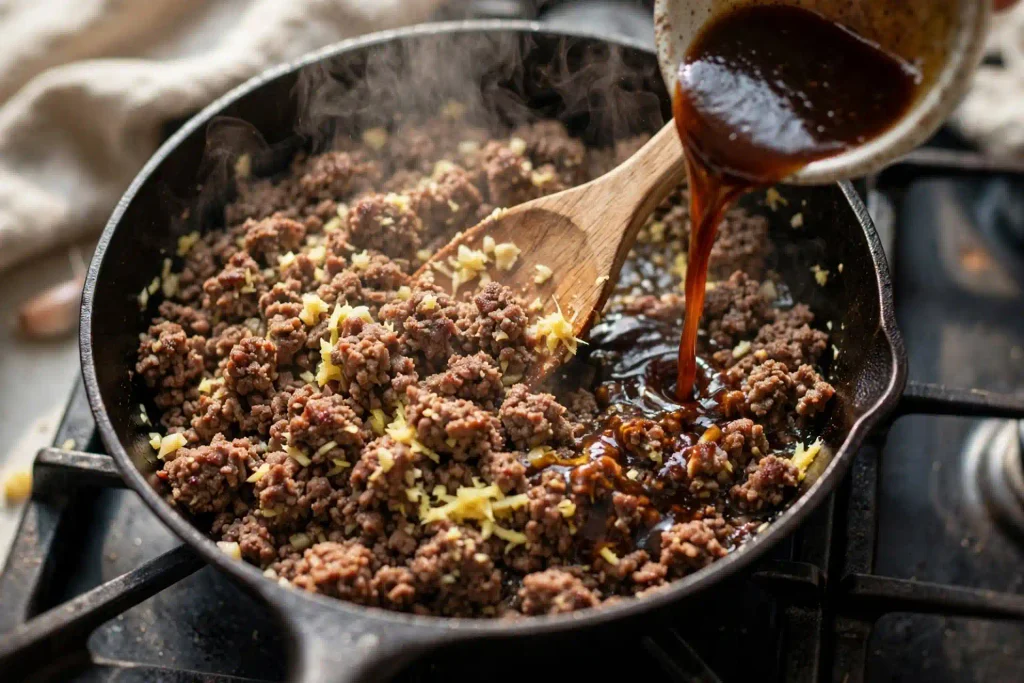
Push the beef to one side of the pan, add the garlic and ginger to the cleared space, and stir for 30 seconds until fragrant but before either takes on any color.
Chef’s Note: Garlic and ginger can go from fragrant to bitter in under a minute in hot oil. Pull them together with the beef the moment the smell shifts from raw to toasty.
Stir the garlic and ginger through the beef, then pour in the brown sugar, soy sauce, water, rice vinegar, red pepper flakes, and black pepper all at once.
Bring the mixture to a steady simmer and cook uncovered, stirring occasionally, for 3 to 4 minutes, until the sauce reduces and clings to the beef rather than pooling loosely around it.
Chef’s Note: This reduction step is the one people rush, and a glaze pulled too early stays thin and watery instead of glossy. Watch for the sauce to visibly thicken and coat the back of the spoon.
Taste and adjust. A touch more soy sauce deepens the saltiness, while a splash more rice vinegar brightens a glaze that tastes too heavy.
Remove the pan from the heat and let the beef rest for 3 minutes. The glaze continues to set and thicken slightly as it cools from active bubbling.
Spoon the beef and glaze over bowls of rice, then top with sesame seeds, scallions, and shredded carrot or cucumber if using.
Callout: Keep a splash of extra soy sauce and rice vinegar on the counter while the glaze reduces. Every batch of brown sugar and soy sauce varies slightly, so tasting and adjusting right at the end gets the balance exactly where it should be.
Expert Tips and Tricks
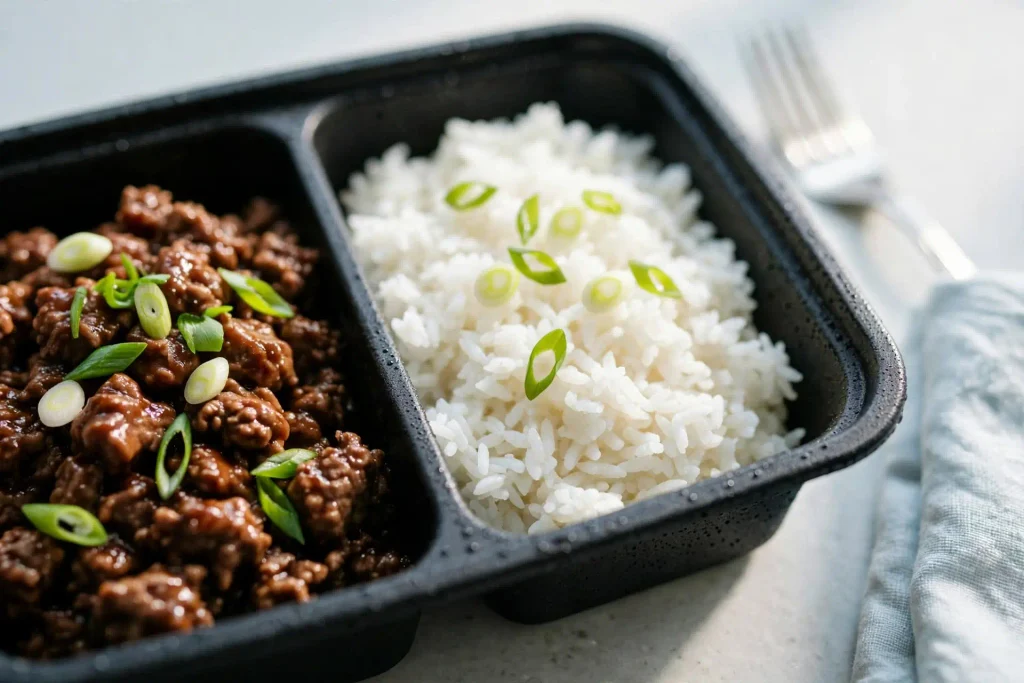
- Make ahead: Cook the beef and glaze fully, then cool and refrigerate for up to 3 days. Reheat gently in a skillet with a splash of water to loosen the glaze back to its original consistency.
- Storage: Store the beef separately from the rice when possible, since rice absorbs the glaze over time and can turn mushy if left combined for several days.
- Don’t skip the fat drain: Extra grease left in the pan keeps the sauce from reducing properly, no matter how long it simmers.
- Reduce until it clings: A glaze that still looks thin after 3 minutes needs another minute or two, not more cornstarch or flour.
- Taste before serving: Brown sugar and soy sauce brands vary enough that a final taste and adjustment makes a real difference.
- Double the glaze for extra sauce: If you like a saucier bowl, make one and a half times the glaze ingredients and reduce for an extra minute.
- Toast the sesame seeds: Raw seeds taste flat compared to a quick dry toast, which brings out a nuttier depth.
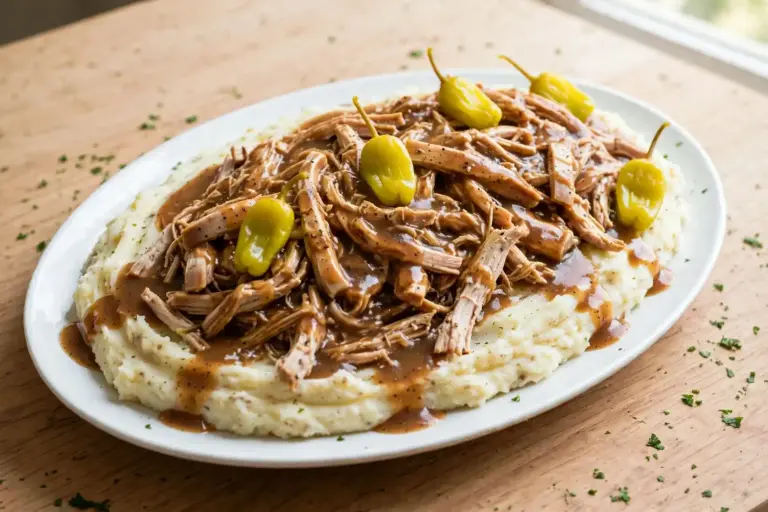
For another hearty dinner that builds a rich sauce from simple ingredients, Mississippi pot roast takes a slower route to a similarly deep, savory result.
Common Mistakes and Troubleshooting
The glaze stayed thin and watery. It didn’t reduce long enough, or too much fat was left in the pan from the beef. Drain excess fat before adding the sauce, and let the glaze simmer the full 3 to 4 minutes until it visibly thickens.
The dish tasted too salty. Regular soy sauce was used instead of low sodium, or extra salt was added without tasting first. Use low sodium soy sauce as the base and season further only after tasting the finished glaze.
The garlic and ginger turned bitter. They cooked too long in the hot oil before the beef and sauce joined them. Keep that step to 30 seconds and pull everything together the moment it turns fragrant.
The beef tasted bland. The glaze didn’t get enough time in contact with the meat, or the sauce was poured on too late in the cooking process. Make sure the beef simmers in the glaze for the full reduction time, not just a quick toss at the end.
The rice turned soggy under the beef. Too much glaze was poured directly over rice that then sat for a while before eating. Serve immediately after assembling, or keep extra glaze on the side for anyone eating later.
Honest Trade-Off
This version swaps the sliced, marinated steak found in traditional bulgogi for ground beef, which trades some of the chew and char of a seared steak for speed and convenience. Anyone chasing that specific texture should look for a recipe built around thin sliced steak and an overnight marinade instead. This bowl suits a weeknight where 20 minutes, not a few hours of planning, is the realistic timeline.
Storage and Make Ahead
Refrigerator: Store the beef in an airtight container for up to 4 days, kept separate from the rice if possible.
Reheating: Warm gently in a skillet over medium low heat with a splash of water to loosen the glaze, or microwave in 30 second bursts, stirring between each.
Freezer: The beef and glaze freeze well for up to 3 months. Thaw overnight in the fridge and reheat gently on the stovetop rather than from frozen, so the glaze doesn’t separate.
Variations and Substitutions
- Spicy: Double the red pepper flakes, or stir in a teaspoon of gochujang along with the glaze ingredients for a deeper heat.
- Low carb: Serve over cauliflower rice instead of white rice, and reduce the brown sugar slightly if cutting carbs further matters.
- Extra vegetables: Stir in a cup of chopped bok choy or steamed broccoli during the last 2 minutes of simmering the glaze.
- Poultry version: Ground turkey or chicken works at the same weight with an extra tablespoon of sesame oil added to the pan.
- Lettuce wraps: Skip the rice entirely and spoon the glazed beef into butter lettuce leaves for a lighter, handheld version.
Serving Suggestions
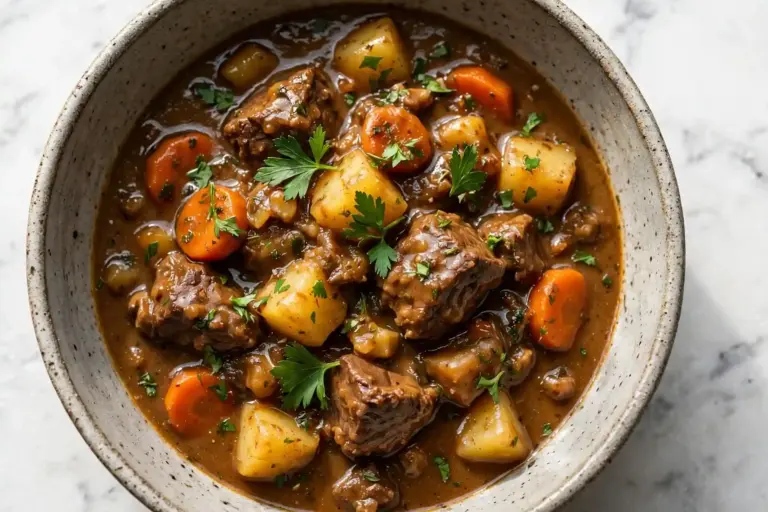
A Korean beef bowl pairs naturally with quick pickled cucumbers or a simple cucumber salad dressed in rice vinegar, since the acidity cuts through the sweetness of the glaze. Kimchi on the side adds a tangy, fermented contrast that complements the dish well. A fried egg on top turns the bowl into something heartier for anyone who wants extra protein. For a different kind of comforting, savory dinner to rotate into the same week, beef stew offers a slower, heavier alternative worth keeping in the lineup.
Callout: Shred the carrot and slice the cucumber while the beef simmers rather than after. Having the cold, crisp toppings ready the moment the glaze finishes keeps the whole dish from sitting and cooling before it reaches the table.
Frequently Asked Questions
Can I make a Korean beef bowl ahead of time?
Yes. Cook the beef and glaze fully, then cool and refrigerate for up to 3 days, ideally kept separate from the rice. Reheat gently in a skillet with a small splash of water to bring the glaze back to its original glossy consistency.
Why did my glaze stay watery instead of thickening?
The sauce usually didn’t get enough active simmering time, or extra fat left in the pan from the beef interfered with the reduction. Drain the beef well before adding the sauce, and give the glaze the full 3 to 4 minutes of simmering until it visibly coats the back of a spoon.
What can I use instead of soy sauce?
Coconut aminos work at the same amount and make the dish soy free, though the glaze turns slightly sweeter and less salty as a result, so adjust with a small pinch of salt at the end. Tamari also works if the goal is specifically avoiding wheat rather than soy itself.
How do I know when the beef is fully cooked?
The beef should show no pink and reach 160°F on an instant read thermometer, which the USDA lists as the safe temperature for ground beef. This usually happens well before the glaze finishes reducing, so the beef is typically done cooking by the time the sauce needs its final few minutes.
Is a Korean beef bowl safe for someone with a soy or sesame allergy?
The standard recipe contains both soy, from the soy sauce, and sesame, from the oil and seeds. Coconut aminos can replace the soy sauce, and a neutral oil with the sesame seeds left off handles the sesame allergy, though both changes shift the flavor somewhat from the traditional profile.
Conclusion
The few minutes spent letting the glaze actively reduce make the difference between a bowl that tastes like a quick stir fry and one that tastes intentional. Don’t rush that step, and taste the sauce right before it comes off the heat, since brown sugar and soy sauce vary enough between brands that the balance shifts slightly every time. Keep extra glaze on hand next time for anyone at the table who wants a saucier bowl than the standard pour gives.
Korean Beef Bowl
Ingredients
Method
- Brown the beef in sesame oil until it reaches 160°F. Drain excess fat.
- Push the beef aside, add garlic and ginger, and stir 30 seconds.
- Stir the aromatics through the beef and add the brown sugar, soy sauce, water, vinegar, red pepper flakes, and black pepper.
- Simmer uncovered 3 to 4 minutes until the glaze thickens and clings to the beef.
- Taste and adjust seasoning.
- Rest 3 minutes off the heat.
- Serve over rice topped with sesame seeds, scallions, and optional carrot or cucumber.